

The Basics of EPF
What Is Employee Provident Fund?
If you are a salaried employee in India, chances are you have noticed a deduction called PF or EPF on your salary slip every month. When I started my first job, I looked at the deduction and thought of it as just another amount reducing my take-home salary. A few years later, I realized that this small deduction was quietly becoming one of the strongest pillars of my financial future.
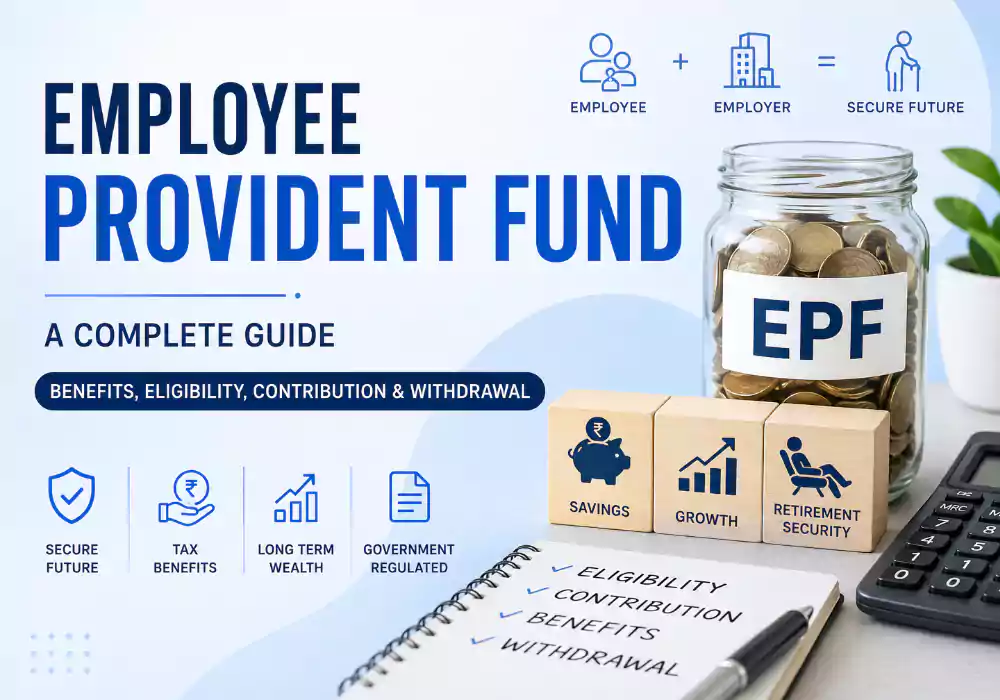
The Employee Provident Fund (EPF) is a government-backed retirement savings scheme managed by the Employees’ Provident Fund Organisation. Both employees and employers contribute a percentage of salary to this fund. Over time, these contributions accumulate along with interest, creating a substantial retirement corpus.
One reason EPF remains popular is its balance between safety and growth. Unlike many market-linked investments that fluctuate significantly, EPF provides stable returns while encouraging disciplined savings. For employees who struggle to invest consistently, EPF works like an automatic wealth-building system running quietly in the background.
The scheme is especially valuable because contributions happen every month without requiring any action from the employee. This consistency creates a snowball effect over decades. Even modest contributions can grow into a sizable retirement fund when combined with compound interest and employer contributions.
Why EPF Matters for Long-Term Financial Security
Many employees focus primarily on salary increments and bonuses while overlooking retirement planning. I made the same mistake during the early years of my career. Retirement seemed too far away to worry about. As responsibilities increased and financial goals evolved, I began appreciating how valuable EPF actually is.
EPF serves as a financial safety net. It ensures that employees accumulate savings throughout their working years instead of relying solely on personal discipline. Since both the employer and employee contribute, the account grows faster than many people initially realize.
Another advantage is stability. During economic uncertainty, market volatility, or unexpected life events, knowing that a retirement corpus is steadily growing can provide peace of mind. It acts like a financial anchor that remains in place regardless of short-term economic changes.
For employees who stay invested for decades, EPF can become one of the largest components of their retirement portfolio. Combined with mutual funds, insurance, and other investments, it forms the foundation of a well-rounded financial plan.
How the EPF System Works
Employee and Employer Contributions
One of the most common questions employees ask is where the money comes from and how contributions are calculated. Understanding this process helps you appreciate the value being added to your account every month.
Typically, an employee contributes 12% of basic salary plus dearness allowance toward EPF. The employer also contributes 12%, although a portion of the employer’s contribution is allocated to the pension scheme. This means that every month, money is being invested in your future from two different sources.
Consider an employee with a basic salary of ₹30,000. A 12% employee contribution means ₹3,600 goes into EPF monthly. The employer also contributes a similar amount, though distributed between EPF and pension components. Over years, this recurring investment builds substantial wealth.
The biggest lesson I learned was that employer contributions are effectively additional compensation. Many employees only focus on their monthly take-home salary and ignore these long-term benefits. Looking at your total compensation package rather than just your bank credit provides a more accurate financial picture.
EPF, EPS, and EDLI Explained
The EPF ecosystem consists of more than one component. Understanding these elements helps employees make better financial decisions and appreciate the full range of benefits available.
| Component | Purpose |
|---|---|
| EPF | Retirement savings |
| EPS | Employee pension benefits |
| EDLI | Insurance coverage for employees |
The Employee Pension Scheme (EPS) provides pension benefits after retirement, while the Employees’ Deposit Linked Insurance (EDLI) Scheme offers life insurance benefits to eligible employees.
These components work together to provide retirement savings, pension income, and insurance protection. This combination makes EPF one of the most comprehensive employee benefit programs available in India.
Difference Between EPF and EPS
Many people confuse EPF and EPS because both are connected to salary deductions. EPF functions as a savings account accumulating contributions and interest. EPS focuses on providing pension benefits after retirement.
EPF balances are visible in passbooks and continue earning interest. EPS operates differently and follows separate pension eligibility rules. Understanding this distinction becomes important when changing jobs, transferring accounts, or planning retirement income.
EPF Interest Rate and Returns
Current EPF Interest Rate
One reason EPF continues to attract attention is its competitive interest rate. According to recent EPFO decisions, the EPF interest rate for FY 2025-26 has been retained at 8.25% per annum. This rate remains unchanged from the previous year and continues to provide attractive returns compared to many traditional fixed-income options.
For long-term investors, even small differences in interest rates can significantly impact final corpus values. An interest rate above 8% combined with employer contributions creates a powerful wealth-building mechanism.
The stability of EPF returns is another advantage. While market-linked investments can generate higher returns, they also involve greater risk. EPF provides predictability, which many employees value when planning retirement.
Over the years, I have seen colleagues underestimate how quickly EPF balances grow. When they finally check their passbooks after several years, many are surprised by the accumulated amount.
How EPF Interest Is Calculated
Interest calculation often confuses employees because interest is not credited monthly even though it is calculated monthly. The process is actually quite straightforward.
EPFO calculates interest every month based on the closing balance in the account. However, the accumulated interest is credited annually. This means your balance continues earning throughout the year even if you do not immediately see the interest reflected in the passbook.
A practical habit that helped me was checking contributions regularly rather than obsessing over daily account growth. Ensuring employer deposits are credited correctly matters more than monitoring short-term fluctuations.
Understanding interest calculations also helps employees appreciate the importance of maintaining continuous contributions and avoiding unnecessary withdrawals.
Eligibility and Enrollment
Who Can Join EPF?
Most employees working in organizations covered under EPF regulations are eligible to become members. New employees are generally enrolled during the joining process, and employers handle the registration requirements.
The onboarding process has become significantly easier thanks to digital systems. Employees no longer need to navigate complex paperwork as extensively as before. Most registration tasks are integrated into HR onboarding procedures.
Employees earning above certain thresholds can also choose voluntary participation under specific conditions. Understanding eligibility requirements is useful for both employees and employers.
A common mistake is assuming EPF is relevant only for retirement-age workers. The earlier someone starts contributing, the more time compound growth has to work in their favor.
UAN and Its Importance
The Universal Account Number (UAN) acts as the backbone of the modern EPF system. Think of it as a permanent identity for your provident fund journey.
When I changed jobs for the first time, having a UAN simplified the transition significantly. Instead of creating entirely separate identities, the UAN allowed me to connect multiple employment records under one umbrella.
A UAN helps employees:
- Track EPF accounts
- Transfer balances between employers
- View passbooks online
- Submit claims digitally
- Update KYC information
Keeping UAN details updated is one of the simplest yet most important financial tasks employees can perform.
Managing Your EPF Account
How to Check EPF Balance
Gone are the days when employees had to visit offices and submit forms just to know their PF balance. Today, multiple digital options make account monitoring easy.
You can check your EPF balance through:
- EPFO member portal
- UMANG app
- SMS service
- Missed call service
The convenience of digital access encourages better financial awareness. I personally check my EPF account a few times each year to verify contributions and identify any discrepancies early.
Regular monitoring also helps ensure employer deposits are being made correctly. Spotting issues quickly can prevent lengthy corrections later.
Using UMANG and EPFO Portal
The UMANG app and EPFO portal have transformed account management. Users can access passbooks, submit claims, update details, and track requests without visiting offices.
Recent improvements such as simplified passbook viewing tools have made account access even easier for members. Digital initiatives continue improving transparency and convenience for EPF subscribers.
The biggest benefit is accessibility. Whether you are at home, traveling, or working remotely, your EPF information remains available at your fingertips.
For new employees, spending a few minutes learning these tools can save hours of effort in the future.
EPF Withdrawals and Transfers
Partial Withdrawal Rules
EPF is primarily designed for retirement, but certain situations allow partial withdrawals before retirement. These provisions can be extremely helpful during important life events.
Eligible reasons may include:
- Home purchase
- House construction
- Medical emergencies
- Marriage expenses
- Higher education
- Home loan repayment
The rules vary depending on years of service and withdrawal purpose. Reviewing eligibility carefully before applying can prevent claim rejections.
I have seen colleagues use EPF withdrawals strategically for home purchases, reducing dependence on expensive loans while preserving overall financial stability.
Full Withdrawal Rules
Full EPF withdrawal is generally allowed after retirement. Employees may also withdraw under specific unemployment-related conditions subject to prevailing regulations.
While accessing funds may seem attractive during financial stress, withdrawing retirement savings prematurely can reduce long-term wealth accumulation. Every withdrawal interrupts the compounding process.
A useful rule of thumb is to treat EPF as a long-term asset rather than an emergency fund. Maintaining separate emergency savings helps preserve retirement benefits.
Before making any withdrawal decision, calculating the future value of the withdrawn amount can provide valuable perspective.
EPF Transfer During Job Change
One lesson I learned from experience is that transferring EPF after changing jobs should not be delayed. Many employees ignore old accounts for years, creating unnecessary complications later.
The transfer process has become easier through online facilities linked to the UAN system. Consolidating accounts ensures continuous service records and simplified management.
Transferring funds also helps maintain organized financial records. Multiple dormant accounts can create confusion when filing claims or tracking balances.
Employees should verify that transfers are completed successfully and reflected accurately in passbooks.
Common Mistakes Employees Make
Ignoring UAN Updates
A surprisingly common mistake involves neglecting UAN-related information. Incorrect mobile numbers, outdated email addresses, or incomplete KYC details can create difficulties during claims and transfers.
Keeping personal information updated ensures smooth access to EPF services. It only takes a few minutes but can save significant frustration later.
Many employees discover these issues only when they urgently need funds. Proactive maintenance is much easier than last-minute corrections.
Treat your UAN profile with the same importance as a bank account profile.
Delaying PF Transfers
Another frequent mistake is leaving old PF accounts untouched after switching employers. While contributions may remain safe, delays can complicate account management.
Prompt transfers help maintain continuity and reduce administrative challenges. Consolidated accounts also make retirement planning easier because all balances remain visible in one place.
Employees often postpone transfers because they seem unimportant. Years later, recovering forgotten records can become considerably more difficult.
Creating a simple post-job-change checklist that includes EPF transfer can prevent these issues.
EPF Tax Benefits and Financial Planning
EPF Tax Advantages
EPF offers attractive tax benefits, making it a valuable component of financial planning. Contributions may qualify for tax deductions under applicable provisions, while interest and maturity proceeds can also enjoy favorable tax treatment subject to eligibility conditions.
The tax-efficient nature of EPF increases effective returns compared with many alternative savings products. This advantage becomes particularly meaningful for long-term investors.
Recent tax rules require attention, especially regarding high employee contributions exceeding specified thresholds. Understanding these provisions helps optimize financial planning. Discussions among financial planners frequently highlight the importance of monitoring contribution limits for tax efficiency.
Consulting a qualified tax professional can help individuals address unique circumstances and maximize available benefits.
How EPF Fits Into Retirement Planning
Retirement planning resembles building a house. EPF serves as the foundation, while other investments such as mutual funds, stocks, and fixed-income products form the remaining structure.
For many salaried employees, EPF becomes the largest guaranteed retirement asset over time. Consistent contributions, employer participation, and annual interest accumulation combine to create substantial long-term value.
A practical strategy is viewing EPF as the stable portion of a retirement portfolio. Riskier investments can then be used for growth while EPF provides reliability and security.
The strongest retirement plans combine discipline, diversification, and patience. EPF naturally supports all three objectives.
What is the current EPF contribution rate?
The standard EPF contribution rate is 12% of the employee’s basic salary and dearness allowance from both employee and employer sides.
Is EPF mandatory for all employees?
EPF is generally mandatory for salaried employees working in organizations covered under EPFO rules and meeting salary eligibility criteria.
Can I withdraw EPF before retirement?
Yes, partial withdrawals are allowed for medical emergencies, education, marriage, and home-related expenses under specific conditions.
Is EPF interest taxable?
EPF interest is generally tax-free if withdrawal conditions and continuous service requirements are satisfied.
What happens to EPF when changing jobs?
Employees can transfer their EPF balance to the new employer using the same UAN, ensuring uninterrupted retirement savings.