Best Cashback Credit Cards in India

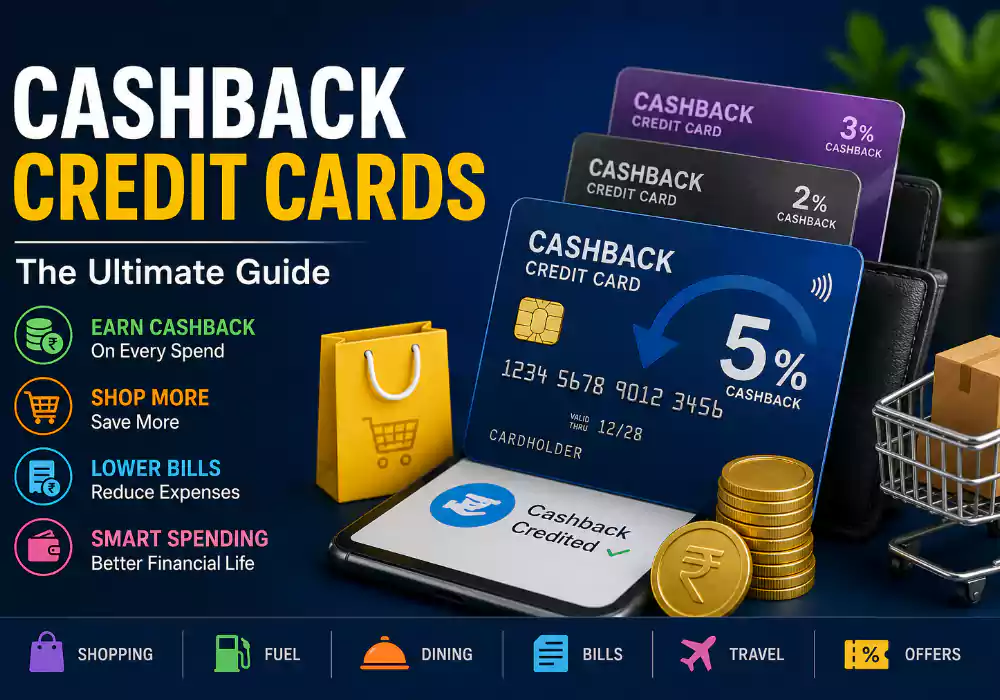
Cashback credit cards have become one of the most popular financial products in India because they offer direct savings on everyday spending. Whether you shop online, pay utility bills, order food, recharge mobile plans, or purchase fuel, cashback credit cards help you earn a percentage of your spending back as rewards. Unlike traditional reward point cards, cashback cards provide instant and transparent savings that are easy to understand and use.

With the rapid growth of digital payments, UPI transactions, e-commerce shopping, and subscription services, more users are looking for the best cashback credit cards in India to maximize their monthly savings. From salaried employees to students and frequent online shoppers, cashback cards suit almost every spending style.

Some cards provide higher cashback on Amazon and Flipkart purchases, while others focus on fuel expenses, travel bookings, dining, or bill payments. Choosing the right card depends on your spending habits, annual fees, cashback caps, and additional benefits.

Best Cashback Credit Cards in India

What Is a Cashback Credit Card?

A cashback credit card is a type of credit card that rewards users with a percentage of their spending back as cashback. Whenever you make eligible purchases using the card, the bank or card issuer credits a portion of the transaction value back to your account. This cashback may appear as statement credit, direct bank transfer, reward balance, or redeemable points depending on the card issuer.

Cashback credit cards are popular because they provide simple and immediate financial benefits. Instead of collecting complicated reward points or airline miles, users receive direct savings on daily expenses such as shopping, groceries, fuel, dining, utility bills, and online subscriptions.

For example, if your card offers 5% cashback on online shopping and you spend ₹10,000 on eligible purchases, you can earn ₹500 as cashback rewards. Over time, these savings can significantly reduce your monthly expenses.

How Cashback Rewards Work

Cashback rewards are usually calculated as a percentage of the amount spent on eligible transactions. Different cards provide different cashback rates depending on the spending category.

Common cashback structures include:

  • Flat cashback on all purchases
  • Higher cashback on online shopping
  • Cashback on fuel purchases
  • Utility bill payment rewards
  • Dining and entertainment cashback
  • Merchant-specific cashback offers

Some cards automatically credit cashback into your statement balance every month, while others require manual redemption through internet banking or mobile apps.

For example:

  • Spend ₹2,000 on groceries with 2% cashback
  • Earn ₹40 cashback

If your monthly spending is high, cashback rewards can accumulate quickly and help you save thousands of rupees annually.

You can encourage users to estimate rewards using:

Cashback vs Reward Points

Many users compare cashback cards with reward point credit cards before applying. Although both provide spending benefits, cashback cards are generally simpler and more transparent.

FeatureCashback Credit CardsReward Point Credit Cards
Rewards TypeDirect cashbackReward points
RedemptionSimple and automaticRequires redemption
Value ClarityEasy to understandCan vary
Best ForEveryday spendingTravel and premium users
FlexibilityHighMedium

Cashback cards are ideal for users who want direct savings without worrying about reward conversion rates or redemption limits.

Reward point cards may suit frequent travelers who want airline miles, hotel rewards, or premium lifestyle benefits.

Direct Cashback vs Redemption-Based Cashback

Not all cashback credit cards function the same way. Some provide automatic cashback credits, while others follow a redemption-based system.

Direct Cashback

In direct cashback cards:

  • Cashback is automatically adjusted in your statement
  • No manual redemption required
  • Easier for beginners
  • Transparent reward system

Example:
If you earn ₹700 cashback during the billing cycle, the amount is directly deducted from your outstanding bill.

Redemption-Based Cashback

In redemption-based systems:

  • Cashback accumulates as points or wallet balance
  • Users must redeem rewards manually
  • Minimum redemption thresholds may apply
  • Expiry dates may exist

These cards often provide flexibility but require active tracking of rewards.

Before choosing a cashback card, users should always check:

  • Cashback caps
  • Redemption process
  • Expiry rules
  • Excluded transaction categories
  • Annual fees

Benefits of Using Cashback Credit Cards

Cashback credit cards provide much more than simple spending rewards. When used responsibly, they can help users save money on daily expenses, improve budgeting, and maximize the value of every transaction. From online shopping to fuel purchases and utility bill payments, cashback cards make routine spending more rewarding.

Many users in India now prefer cashback cards because they offer direct financial benefits instead of complicated reward systems. Whether you are a salaried employee, student, freelancer, or small business owner, the right cashback credit card can reduce your monthly expenses significantly.

Save Money on Daily Expenses

One of the biggest advantages of cashback credit cards is the ability to save money on regular spending categories. Every eligible transaction earns a percentage of cashback, which reduces your effective spending amount over time.

Common daily expense categories include:

  • Grocery shopping
  • Mobile recharges
  • Utility bill payments
  • Dining expenses
  • Pharmacy purchases
  • Transportation and fuel

For example:

  • Monthly grocery spending: ₹15,000
  • Cashback rate: 2%
  • Monthly savings: ₹300
  • Annual savings: ₹3,600

Even small cashback percentages can create meaningful yearly savings when used consistently.

Cashback on Online Shopping

Online shopping is one of the most rewarding categories for cashback credit cards in India. Many cards provide higher cashback rates on platforms such as Amazon, Flipkart, Myntra, Swiggy, Zomato, and other digital services.

Popular cashback categories include:

  • E-commerce purchases
  • Fashion and lifestyle shopping
  • Food delivery apps
  • OTT subscriptions
  • Electronics purchases
  • Travel bookings

Some premium cashback cards offer:

  • 5% cashback on online spending
  • Additional merchant discounts
  • Seasonal shopping offers
  • Instant cashback promotions

This is especially beneficial during:

Users who frequently shop online can maximize savings by choosing category-focused cashback cards.

Fuel and Utility Bill Savings

Fuel expenses and utility bills form a major part of monthly household spending. Cashback credit cards can help reduce these recurring costs through fuel rewards and bill payment cashback.

Common eligible bill categories:

  • Electricity bills
  • Water bills
  • Broadband payments
  • Gas bills
  • Mobile recharges
  • DTH payments

Many fuel-focused cashback cards also provide:

  • Fuel surcharge waiver
  • Cashback at petrol stations
  • Partner fuel station offers

For families and working professionals, these recurring cashback rewards can create substantial annual savings.

Example:

  • Monthly fuel expense: ₹8,000
  • Cashback + surcharge waiver: 3%
  • Annual savings: ₹2,880

Welcome Bonuses and Offers

Many cashback credit cards attract new customers by offering welcome bonuses and introductory rewards. These offers improve the overall value of the card during the initial months.

Common welcome benefits include:

  • Bonus cashback after first transaction
  • Amazon or Flipkart vouchers
  • Free OTT subscriptions
  • Dining discounts
  • Airport lounge access
  • Annual fee waiver offers

Banks frequently run limited-time promotions during:

  • Festival seasons
  • Online sale events
  • Financial year-end campaigns

EMI and Payment Flexibility

Cashback credit cards also provide financial flexibility through EMI conversion options. Large purchases can be converted into monthly installments while still earning cashback benefits on eligible transactions.

This feature is especially useful for:

  • Electronics purchases
  • Smartphone upgrades
  • Furniture shopping
  • Appliance purchases
  • Travel bookings

Advantages include:

  • Easier repayment management
  • Reduced financial burden
  • Interest-saving offers during sales
  • No-cost EMI promotions

However, users should always review:

  • Processing fees
  • EMI interest rates
  • Foreclosure charges
  • Cashback exclusions on EMI purchases

Best Cashback Credit Cards in India (Comparison Table)

Choosing the best cashback credit card in India depends on your spending habits, preferred shopping platforms, annual fee tolerance, and cashback expectations. Some cards are designed for online shoppers, while others focus on fuel, utility bills, travel, or everyday spending.

Below is a comparison of some of the most popular cashback credit cards available in India.

Credit CardJoining FeeAnnual FeeCashback BenefitsBest ForKey Features
HDFC Millennia Credit Card₹1,000₹1,0005% cashback on Amazon, Flipkart, Swiggy, MyntraOnline shoppingLounge access, SmartBuy rewards
SBI Cashback Credit Card₹999₹9995% cashback on online spendingHeavy online usersSimple cashback structure
Axis Ace Credit Card₹499₹4995% cashback on bill payments via Google PayUtility bill paymentsFuel surcharge waiver
Amazon Pay ICICI Credit CardLifetime FreeLifetime FreeUp to 5% cashback on Amazon purchasesAmazon shoppersNo joining fee
Flipkart Axis Bank Credit Card₹500₹5005% cashback on FlipkartFlipkart usersDining and travel offers
Airtel Axis Credit Card₹500₹500Cashback on Airtel bills and utility paymentsAirtel customersHigh telecom rewards

HDFC Millennia Credit Card

The HDFC Millennia Credit Card is one of the most popular cashback cards for online shoppers. It provides accelerated cashback on leading e-commerce and food delivery platforms.

Key Benefits

  • 5% cashback on selected online merchants
  • Cashback on Amazon, Flipkart, Myntra, Swiggy, and more
  • Lounge access benefits
  • SmartBuy reward offers
  • EMI conversion facility

Best For

  • Young professionals
  • Frequent online shoppers
  • Users who spend heavily on e-commerce apps

Things to Consider

  • Annual fee applies
  • Cashback categories may change periodically
  • Cashback cap limitations exist

SBI Cashback Credit Card

The SBI Cashback Credit Card is designed primarily for online transactions. Its simplified cashback structure makes it attractive for users who want straightforward rewards without tracking multiple categories.

Key Benefits

  • 5% cashback on online transactions
  • Cashback across multiple online merchants
  • Easy reward structure
  • Strong online spending benefits

Best For

  • Online shoppers
  • Subscription service users
  • Frequent app-based spending

Limitations

  • Cashback caps apply
  • Offline cashback rate is lower
  • Certain wallet transactions may be excluded

Axis Ace Credit Card

Axis Ace Credit Card is known for utility bill payment rewards and Google Pay integration. It offers high cashback on bill payments and everyday expenses.

Key Benefits

  • Cashback on utility payments
  • Rewards on food delivery and local spending
  • Fuel surcharge waiver
  • Simple cashback redemption

Best For

  • Utility bill payments
  • Digital payment users
  • Google Pay users

Additional Benefits

  • Dining discounts
  • Partner merchant offers
  • Contactless payment support

Amazon Pay ICICI Credit Card

The Amazon Pay ICICI Credit Card is highly popular among Amazon shoppers because it offers direct cashback into the Amazon Pay balance.

Key Benefits

  • Up to 5% cashback on Amazon purchases
  • Lifetime free card
  • No reward redemption complexity
  • Cashback on partner merchants

Best For

  • Amazon Prime users
  • Frequent online buyers
  • Users looking for lifetime free cards

Why Users Prefer It

  • No annual fee
  • Instant cashback tracking
  • Seamless Amazon integration

Flipkart Axis Bank Credit Card

This card is ideal for Flipkart users and provides strong cashback rates on shopping, dining, and travel bookings.

Key Benefits

  • Cashback on Flipkart purchases
  • Dining and travel offers
  • Partner merchant discounts
  • Fuel surcharge waiver

Best For

  • Flipkart shoppers
  • Travel spenders
  • Lifestyle users

Considerations

  • Cashback varies by merchant category
  • Annual fee applicable
  • Spending caps may apply

Airtel Axis Credit Card

The Airtel Axis Credit Card is targeted toward Airtel users and individuals with high telecom and utility spending.

Key Benefits

  • Cashback on Airtel recharge and broadband bills
  • Utility payment rewards
  • Dining cashback offers
  • Entertainment discounts

Best For

  • Airtel users
  • Telecom bill payments
  • Household utility expenses

Extra Advantages

  • Monthly savings on recurring bills
  • Easy cashback tracking
  • Low annual fee

How to Compare Cashback Credit Cards

Before applying for a cashback credit card, users should compare the following factors carefully:

Cashback Percentage

Higher cashback percentages can increase savings, but category restrictions may apply.

Cashback Caps

Many cards limit the maximum cashback users can earn each month.

Annual Fees

Some cards offer high cashback but charge premium annual fees.

Spending Categories

Choose cards aligned with your lifestyle:

  • Shopping
  • Fuel
  • Travel
  • Dining
  • Utility payments

Redemption Process

Prefer cards with automatic cashback credit for easier management.

Best Cashback Credit Cards for Different Categories

Different cashback credit cards are designed for different spending habits. Some users spend heavily on online shopping, while others may benefit more from fuel rewards, dining offers, or utility bill cashback. Choosing a category-specific cashback card can significantly improve your monthly savings.

Instead of applying for a generic credit card, it is better to select a card that aligns with your lifestyle and spending patterns.

Best Cashback Card for Online Shopping

Online shopping has become one of the largest spending categories in India. From Amazon and Flipkart to Myntra and Swiggy, cashback credit cards can help users save on almost every digital purchase.

Recommended Cards

Key Benefits

  • Higher cashback on e-commerce transactions
  • Festival sale offers
  • Instant discounts during checkout
  • Rewards on subscriptions and digital services

Ideal For

  • Frequent online shoppers
  • Young professionals
  • Digital-first users

What to Check

  • Cashback caps
  • Eligible merchant categories
  • Cashback redemption rules
  • Excluded wallet transactions

Best Cashback Card for Fuel

Fuel expenses can consume a significant portion of monthly budgets, especially for daily commuters and car owners. Fuel cashback cards help reduce petrol and diesel expenses through cashback rewards and surcharge waivers.

Recommended Cards

  • Axis Ace Credit Card
  • BPCL SBI Card
  • IndianOil HDFC Credit Card

Key Benefits

  • Fuel surcharge waiver
  • Cashback at partner fuel stations
  • Reward points on fuel spending
  • Utility bill benefits

Ideal For

  • Daily commuters
  • Vehicle owners
  • Delivery professionals
  • Frequent travelers

Important Considerations

  • Partner fuel station restrictions
  • Minimum transaction limits
  • Monthly cashback limits

Best Cashback Card for Dining

Food delivery and restaurant spending have increased significantly with the growth of digital apps and lifestyle spending. Dining cashback cards provide savings on restaurants, cafes, and food delivery platforms.

Recommended Cards

  • HDFC Millennia Credit Card
  • Axis Bank My Zone Credit Card
  • Swiggy HDFC Credit Card

Key Benefits

  • Cashback on Swiggy and Zomato
  • Restaurant discounts
  • Dining partner offers
  • Entertainment benefits

Best For

  • Food delivery users
  • Frequent restaurant visitors
  • Young urban consumers

Extra Advantages

  • Weekend dining offers
  • Buy-one-get-one deals
  • Lifestyle memberships

Best Cashback Card for UPI Payments

UPI payments are now a major part of everyday transactions in India. Several banks have started offering cashback and rewards for UPI-linked credit card transactions.

Recommended Cards

  • RuPay Credit Cards with UPI
  • Axis Ace Credit Card
  • Tata Neu HDFC Credit Card

Key Benefits

  • Cashback on QR code payments
  • Rewards on daily merchant transactions
  • UPI convenience with credit benefits
  • Utility and grocery cashback

Ideal For

  • Daily UPI users
  • Small retail spending
  • Grocery and local purchases

Things to Watch

  • Merchant eligibility
  • UPI transaction limits
  • Cashback exclusions

Best Lifetime Free Cashback Card

Lifetime free cashback credit cards are perfect for users who want cashback benefits without worrying about annual fees.

Recommended Cards

  • Amazon Pay ICICI Credit Card
  • IDFC FIRST Millennia Credit Card
  • OneCard Credit Card

Key Benefits

  • No annual fee
  • Direct cashback rewards
  • Lower long-term cost
  • Good for beginners

Best For

  • First-time credit card users
  • Budget-conscious users
  • Students and young professionals

Advantages Over Paid Cards

  • No yearly maintenance pressure
  • Easier long-term ownership
  • Simple cashback benefits

Best Cashback Card for Students

Students and beginners usually require cards with low eligibility requirements, low fees, and manageable spending limits.

Recommended Cards

  • Student-focused FD-backed credit cards
  • Lifetime free cashback cards
  • Entry-level cashback cards

Key Benefits

  • Helps build credit history
  • Cashback on online subscriptions
  • Rewards on food delivery and shopping
  • Low joining fees

Best For

  • College students
  • Young adults
  • First-time credit users

Cashback Credit Card Eligibility in India

Before applying for a cashback credit card, it is important to understand the eligibility requirements set by banks and financial institutions. Eligibility criteria help lenders evaluate whether an applicant can responsibly manage credit card payments and maintain financial discipline.

Although eligibility conditions vary across banks and card types, most cashback credit cards in India follow similar approval requirements related to income, credit score, employment status, and documentation.

Understanding these requirements in advance can improve approval chances and help users choose cards that match their financial profile.

Minimum Salary Requirements

Most cashback credit cards require applicants to meet a minimum monthly or annual income threshold. The required salary generally depends on the card category and the benefits offered.

Typical Salary Requirements

Card TypeApproximate Monthly Income Requirement
Entry-Level Cashback Cards₹15,000 – ₹25,000
Mid-Range Cashback Cards₹25,000 – ₹50,000
Premium Cashback Cards₹50,000+

Premium cards offering higher cashback rates, airport lounge access, and lifestyle privileges usually require higher income levels.

Factors That Affect Income Eligibility

  • Employment type
  • Existing loan obligations
  • Credit score
  • City of residence
  • Employer category

Some banks may also provide pre-approved cashback cards to existing customers with strong banking relationships.

Credit Score Needed

Your credit score plays a major role in cashback credit card approval. Banks use credit scores to evaluate repayment history and creditworthiness.

In India, the CIBIL score is the most commonly used credit score system.

Recommended Credit Score Range

Credit ScoreApproval Chances
750+Excellent
700–749Good
650–699Moderate
Below 650Low

A higher credit score improves:

  • Approval chances
  • Credit limit eligibility
  • Access to premium cashback cards
  • Lower interest rates

Ways to Improve Credit Score

  • Pay bills on time
  • Maintain low credit utilization
  • Avoid multiple credit applications
  • Monitor credit reports regularly
  • Clear outstanding dues quickly

Documents Required

Applicants must submit valid KYC and financial documents during the cashback credit card application process.

Commonly Required Documents

Identity Proof

  • Aadhaar Card
  • PAN Card
  • Passport
  • Driving License

Address Proof

  • Utility bill
  • Rental agreement
  • Passport
  • Aadhaar Card

Income Proof

  • Salary slips
  • Bank statements
  • Form 16
  • Income Tax Returns

Employment Proof

  • Employee ID card
  • Offer letter
  • Business registration documents (for self-employed applicants)

Most banks now support digital KYC verification and paperless online applications, making the process faster and more convenient.

Important Tips

  • Ensure documents are updated
  • Match PAN details accurately
  • Maintain stable banking transactions
  • Avoid discrepancies in address proof

Self-Employed Eligibility

Self-employed professionals and business owners can also apply for cashback credit cards. However, approval requirements may be stricter compared to salaried employees.

Eligible Self-Employed Applicants

  • Freelancers
  • Consultants
  • Small business owners
  • Doctors
  • Chartered accountants
  • Entrepreneurs

Additional Documents Required

Factors Considered by Banks

  • Business stability
  • Annual turnover
  • Banking history
  • Existing liabilities
  • Credit score

Some banks may offer:

  • Business cashback cards
  • Higher spending limits
  • Expense management features
  • GST-related benefits

Age Criteria for Cashback Credit Cards

Most banks require applicants to meet minimum age requirements.

Typical Age Limits

  • Minimum age: 18 or 21 years
  • Maximum age: 60–65 years

Student and entry-level cards may have relaxed requirements for younger applicants.

Retired individuals with stable pension income may also qualify for selected cashback cards.

Factors That Improve Approval Chances

Users can improve their cashback credit card approval probability by following these financial practices:

Maintain a Healthy Credit Profile

  • Pay all EMIs and credit card bills on time
  • Keep credit utilization below 30%

Avoid Multiple Applications

Applying for many credit cards within a short period may negatively affect approval chances.

Build Banking Relationships

Existing customers with stable salary accounts often receive pre-approved offers.

Choose Cards Matching Your Income

Applying for premium cards with insufficient income may lead to rejection.

Common Reasons for Credit Card Rejection

Understanding rejection reasons can help applicants avoid mistakes.

Common Rejection Factors

  • Low credit score
  • Insufficient income
  • High existing debt
  • Frequent loan defaults
  • Multiple recent applications
  • Incomplete documentation

How to Recover After Rejection

  • Improve credit score
  • Reduce debt burden
  • Wait before reapplying
  • Correct errors in credit reports

How to Choose the Best Cashback Credit Card

Choosing the best cashback credit card in India requires more than simply selecting the card with the highest cashback percentage. Every card has different reward structures, annual fees, cashback limits, merchant partnerships, and eligibility conditions.

The ideal cashback card should match your spending habits and help you maximize long-term savings without increasing unnecessary expenses. A card that works well for frequent online shoppers may not be suitable for someone who spends more on fuel, dining, or utility bills.

Before applying for a cashback credit card, users should carefully compare several important factors.

Analyze Your Spending Habits

The first step in selecting the right cashback credit card is understanding where most of your money is spent every month.

Common Spending Categories

  • Online shopping
  • Grocery purchases
  • Fuel expenses
  • Utility bill payments
  • Dining and food delivery
  • Travel bookings
  • Entertainment subscriptions

For example:

  • Frequent Amazon users may benefit from Amazon-focused cashback cards
  • Fuel-heavy users should prefer fuel cashback cards
  • Utility bill users can maximize rewards through bill payment cards

Why Spending Analysis Matters

A cashback card with 5% online shopping rewards may provide little value if most of your spending happens offline.

Tracking monthly expenses helps identify:

  • Highest spending categories
  • Potential cashback savings
  • Unnecessary expenses
  • Better card options

Compare Cashback Caps

Many users focus only on cashback percentages and ignore cashback caps. This is one of the most common mistakes when selecting a cashback credit card.

What Is a Cashback Cap?

A cashback cap is the maximum amount of cashback a user can earn within a month, quarter, or year.

Example:

  • 5% cashback on online shopping
  • Monthly cashback cap: ₹1,000

Even if you spend heavily, cashback earnings stop after reaching the cap.

Why Cashback Caps Matter

Cards with high cashback percentages but low limits may provide less value than cards with moderate cashback and higher limits.

Important Things to Check

  • Monthly cashback limit
  • Merchant-specific restrictions
  • Excluded spending categories
  • Minimum transaction amount

Check Hidden Charges

Some cashback credit cards include charges that reduce the overall value of rewards. Users should always read the fee structure carefully before applying.

Common Hidden Charges

  • Late payment fees
  • Interest charges
  • Foreign transaction fees
  • EMI processing charges
  • Cash withdrawal fees
  • GST on fees and interest

Even a high cashback card can become expensive if users regularly pay interest or penalties.

Why This Matters

If a card provides ₹2,000 annual cashback but charges ₹3,000 in fees and interest, the overall benefit becomes negative.

Tips to Avoid Extra Charges

  • Pay full bill amount on time
  • Avoid cash withdrawals
  • Track due dates carefully
  • Use EMI only when necessary

Evaluate Annual Fees

Annual fees are another important factor while comparing cashback cards. Some premium cards offer excellent cashback rates but charge higher yearly fees.

Types of Cashback Cards

Card TypeAnnual Fee
Lifetime Free Cards₹0
Entry-Level Cards₹500 – ₹1,000
Premium Cashback Cards₹2,000+

When Paid Cards Make Sense

Paid cashback cards can still be valuable if:

  • Cashback earnings exceed annual fees
  • Spending is high enough to maximize rewards
  • Additional benefits justify the cost

Look for Fee Waiver Conditions

Many cards waive annual fees if users spend a certain amount yearly.

Example:

  • Annual fee waived after ₹2 lakh annual spending

Best Strategy

Calculate expected yearly cashback before choosing between:

  • Lifetime free cards
  • Paid cashback cards
  • Premium reward cards

Look for Merchant Offers

Several cashback credit cards partner with major brands and platforms to offer additional discounts and cashback benefits.

Common Merchant Partnerships

  • Amazon
  • Flipkart
  • Swiggy
  • Zomato
  • Myntra
  • Tata Neu
  • Google Pay

Benefits of Merchant Offers

  • Instant discounts
  • Extra cashback during sales
  • Partner-specific rewards
  • EMI offers
  • Festival promotions

Why Merchant Alignment Matters

A card offering high rewards on your preferred platforms can increase total savings significantly.

Example:
If you regularly shop on Amazon, an Amazon-focused cashback card can provide better long-term value than a general cashback card.

Compare Reward Redemption Methods

Not all cashback systems are equally convenient. Some cards offer direct cashback credit, while others require manual redemption.

Common Cashback Redemption Types

  • Statement credit
  • Wallet cashback
  • Reward points conversion
  • Bank account transfer

Best Redemption System

Most users prefer automatic statement cashback because it is:

  • Simple
  • Transparent
  • Easy to track

Things to Check

  • Minimum redemption value
  • Reward expiry period
  • Redemption processing time

Consider Customer Support and App Experience

Modern credit card management heavily depends on digital banking apps and customer service quality.

Important Features

  • Easy cashback tracking
  • Bill payment reminders
  • Instant transaction alerts
  • Reward management dashboard
  • EMI conversion options

A strong mobile app experience improves financial management and reduces missed payments.

Choose Based on Long-Term Value

The best cashback credit card should provide sustainable long-term savings rather than temporary promotional benefits.

Focus on:

  • Real cashback value
  • Spending compatibility
  • Low ownership cost
  • Easy redemption
  • Reliable customer support

Avoid:

  • Overspending for rewards
  • Applying for too many cards
  • Ignoring fee structures
  • Choosing cards based only on advertisements

Selecting the right cashback credit card requires careful comparison and financial awareness. Users who align their credit card choice with their lifestyle and spending patterns can maximize rewards while maintaining healthy financial habits.

Cashback Credit Card Fees and Charges

While cashback credit cards help users save money through rewards and cashback offers, they also come with certain fees and charges that every cardholder should understand carefully. Ignoring these charges can reduce the overall value of cashback earnings and sometimes even lead to unnecessary debt.

Before applying for a cashback credit card, users should review the complete fee structure, interest rates, penalties, and transaction charges. A card with high cashback rewards may not always be profitable if it includes expensive annual fees or high finance charges.

Understanding these costs helps users use credit cards responsibly and maximize long-term savings.

Annual Fees

Annual fees are one of the most common charges associated with cashback credit cards. Banks charge these fees for maintaining the card and providing benefits such as cashback rewards, lounge access, and merchant offers.

Types of Annual Fee Structures

Fee TypeDescription
Lifetime FreeNo joining or annual fee
Low Annual Fee₹500 – ₹1,000
Premium Annual Fee₹2,000+

Why Annual Fees Matter

Some premium cashback cards offer:

  • Higher cashback percentages
  • Better reward categories
  • Travel benefits
  • Lifestyle privileges

However, users should calculate whether the cashback earned exceeds the yearly fee.

Fee Waiver Benefits

Many banks waive annual fees if users achieve minimum annual spending requirements.

Example:

  • Annual fee: ₹1,000
  • Fee waived after ₹2 lakh annual spending

Tips Before Paying Annual Fees

  • Estimate yearly cashback earnings
  • Compare fee waiver conditions
  • Check renewal charges
  • Avoid premium cards with low usage

Interest Rates

Interest charges are one of the most expensive aspects of credit card usage. Cashback credit cards usually carry high interest rates if users fail to pay the outstanding balance in full before the due date.

Typical Credit Card Interest Rates

  • Around 30% to 48% annually
  • Charged monthly on unpaid balances

How Interest Is Calculated

If a cardholder pays only the minimum due amount, interest continues accumulating on the remaining balance.

Example:

  • Outstanding balance: ₹50,000
  • Monthly interest rate: 3.5%
  • Interest charges can increase rapidly

Why This Is Important

The cashback earned may become insignificant compared to interest costs if bills are not paid fully and on time.

Best Practices

  • Always pay the full bill amount
  • Avoid revolving balances
  • Track billing cycle dates
  • Enable payment reminders

Late Payment Charges

Late payment fees are charged when users fail to pay the minimum due amount before the payment deadline.

Common Late Payment Penalties

  • Fixed penalty based on outstanding amount
  • GST applicable on penalty charges
  • Negative impact on credit score

Additional Consequences

Late payments can also:

  • Increase interest burden
  • Reduce credit score
  • Affect future loan approvals
  • Trigger penalty interest rates

Example Late Fee Structure

Outstanding BalanceApproximate Late Fee
Up to ₹500₹0–₹100
₹500–₹5,000₹500–₹750
₹5,000+₹750–₹1,300

How to Avoid Late Fees

  • Set auto-pay instructions
  • Use payment reminders
  • Track statement dates regularly
  • Maintain sufficient bank balance

Foreign Transaction Fees

Users who shop internationally or subscribe to foreign digital services may face foreign currency markup fees.

Typical Foreign Transaction Charges

  • Around 2% to 4% per transaction
  • Additional GST applicable

Transactions That May Trigger Charges

  • International shopping websites
  • Foreign streaming subscriptions
  • Overseas travel spending
  • International app purchases

Why It Matters

Frequent international spending can significantly increase overall costs if foreign markup fees are high.

Better Alternatives

Some premium cards provide:

  • Lower forex markup
  • International cashback offers
  • Travel rewards

Cash Withdrawal Charges

Using a cashback credit card to withdraw cash from ATMs is generally expensive and should be avoided unless absolutely necessary.

Common Cash Advance Charges

  • Flat transaction fee
  • Immediate interest charges
  • No interest-free period

Why Cash Withdrawals Are Risky

Interest starts accumulating immediately after withdrawal, unlike normal purchase transactions.

Additional Problems

  • High finance charges
  • Lower credit score if overused
  • Reduced available credit limit

Better Alternative

Use:

  • Savings account withdrawals
  • Emergency funds
  • Personal loans for large cash needs

EMI Conversion Charges

Many cashback credit cards allow users to convert large purchases into EMIs. While this improves affordability, banks may charge additional fees.

Common EMI Charges

  • Processing fee
  • Interest charges
  • GST on interest
  • Foreclosure fee

No-Cost EMI Reality

Some “No Cost EMI” offers may include:

  • Hidden processing charges
  • Reduced discounts
  • Merchant-funded interest adjustments

Before Choosing EMI

Users should compare:

  • Total repayment amount
  • Processing charges
  • Cashback eligibility on EMI transactions

GST on Credit Card Charges

Most credit card fees and interest charges attract GST in India.

GST Usually Applies To

  • Annual fees
  • Interest charges
  • Late payment penalties
  • EMI processing fees
  • Foreign transaction fees

Why Users Should Check GST

Taxes increase the actual cost of card ownership and borrowing.

Example:

  • Annual fee: ₹1,000
  • GST @18%: ₹180
  • Total payable: ₹1,180

Hidden Charges Users Often Ignore

Many users focus only on cashback rewards and ignore smaller hidden charges that gradually reduce savings.

Frequently Ignored Charges

  • Card replacement fee
  • Over-limit penalty
  • Statement retrieval fee
  • Dynamic currency conversion fee
  • SMS alert charges

Smart User Strategy

Always review:

  • Schedule of charges
  • Terms and conditions
  • Reward exclusions
  • Merchant restrictions

How to Minimize Credit Card Charges

Users can maximize cashback benefits and reduce expenses by following smart financial habits.

Best Practices

  • Pay full outstanding balance monthly
  • Avoid ATM withdrawals
  • Track annual fee waiver targets
  • Use cashback categories strategically
  • Monitor statements regularly

Avoid

  • Minimum due payments
  • Unnecessary EMIs
  • Multiple premium cards
  • High credit utilization

Common Mistakes to Avoid

Cashback credit cards can help users save money and manage expenses efficiently, but many people fail to maximize benefits because of poor financial habits and common usage mistakes. In some cases, users may even lose more money in fees and interest charges than they earn through cashback rewards.

Understanding these common mistakes can help users use cashback credit cards responsibly, protect their credit score, and maximize long-term savings.

Ignoring Annual Fees

One of the most common mistakes is choosing a cashback card without evaluating the annual fee structure.

Many users apply for premium cashback cards because of attractive advertisements and high cashback percentages but later realize the yearly fee is too expensive compared to the actual rewards earned.

Why This Is a Problem

If:

  • Annual fee = ₹2,500
  • Yearly cashback earned = ₹1,800

The user effectively loses money.

What Users Should Check

  • Annual fee amount
  • Fee waiver conditions
  • Expected yearly cashback
  • Hidden renewal charges

Better Strategy

Choose:

  • Lifetime free cards for low spending
  • Premium cards only if spending is high enough

Missing Payment Due Dates

Late payments are one of the most expensive credit card mistakes. Missing even a single payment can result in:

  • Late payment fees
  • High interest charges
  • Credit score reduction
  • Loss of promotional offers

Why This Hurts Cashback Earnings

A user may earn ₹1,000 cashback but pay ₹1,500 in penalties and interest due to delayed payment.

Consequences of Late Payments

  • Negative CIBIL impact
  • Lower approval chances for future loans
  • Increased financial stress
  • Higher borrowing costs

How to Avoid This Mistake

  • Enable auto-pay
  • Set due date reminders
  • Track billing cycles
  • Maintain emergency balance

Overspending for Cashback

Many users spend unnecessarily just to earn cashback rewards. This is one of the biggest psychological traps associated with cashback credit cards.

Common Overspending Examples

  • Buying unnecessary items during sales
  • Purchasing luxury products for rewards
  • Chasing limited-time cashback offers
  • Splitting purchases across cards unnecessarily

Important Financial Principle

Cashback only provides value when spending is already necessary.

Example

  • Spend ₹20,000 unnecessarily
  • Earn 5% cashback = ₹1,000
  • Actual loss = ₹19,000 unnecessary spending

Smart Approach

Focus on:

  • Planned purchases
  • Budgeted spending
  • Necessary expenses only

Applying for Too Many Cards

Some users apply for multiple cashback credit cards within a short period to maximize offers and signup bonuses. This can negatively affect financial health.

Problems With Too Many Credit Cards

  • Difficult payment management
  • Increased risk of missed payments
  • Lower credit score
  • High total annual fees
  • Overspending temptation

Credit Score Impact

Frequent applications generate multiple hard inquiries on credit reports, which may reduce the CIBIL score temporarily.

Better Strategy

Use:

  • 2–3 well-optimized cashback cards
  • Cards aligned with spending habits
  • Easily manageable payment schedules

Paying Only the Minimum Due

Many users believe paying the minimum due amount protects them from interest charges. This is incorrect.

What Happens When Paying Minimum Due

  • Remaining balance carries forward
  • High interest accumulates
  • Debt increases rapidly

Example

  • Total bill: ₹20,000
  • Minimum due: ₹1,000
  • Remaining amount accrues interest monthly

Why This Is Dangerous

Credit card interest rates are among the highest in consumer finance.

Best Practice

Always pay:

  • Full outstanding amount
  • Before the due date

Ignoring Cashback Caps and Conditions

Many cashback cards advertise high cashback percentages but include important restrictions.

Common Cashback Limitations

  • Monthly cashback caps
  • Merchant restrictions
  • Minimum transaction value
  • Excluded categories

Example

A card offering:

  • 5% cashback
  • Maximum cashback ₹1,000/month

Heavy spenders may not receive additional rewards after reaching the limit.

Smart User Tip

Always read:

  • Terms and conditions
  • Reward exclusions
  • Cashback limits
  • Merchant eligibility

Using Credit Cards for Cash Withdrawals

Cash withdrawals using cashback credit cards are extremely expensive.

Why Cash Advances Are Costly

  • Immediate interest charges
  • No interest-free period
  • ATM withdrawal fees
  • Higher finance charges

Better Alternatives

  • Emergency savings fund
  • Personal loan
  • Savings account withdrawal

Important Tip

Avoid ATM cash withdrawals unless absolutely necessary.

Ignoring Credit Utilization Ratio

Credit utilization ratio refers to the percentage of available credit being used.

Recommended Utilization

Experts usually recommend keeping utilization below 30%.

Example

Credit LimitRecommended Usage
₹1,00,000Below ₹30,000

Why High Utilization Is Harmful

  • Reduces credit score
  • Signals financial stress
  • Affects future approvals

Best Practice

Maintain healthy spending levels relative to total credit limit.

Not Monitoring Monthly Statements

Some users rarely review their monthly statements, which can lead to:

  • Missed fraud detection
  • Incorrect charges
  • Unnoticed fees
  • Cashback calculation errors

What Users Should Check

  • Cashback credited
  • Interest charges
  • EMI conversions
  • Unauthorized transactions

Benefits of Monitoring Statements

  • Better financial awareness
  • Faster dispute resolution
  • Improved spending control

Choosing Cards Based Only on Advertising

Marketing campaigns often highlight:

  • High cashback percentages
  • Signup bonuses
  • Luxury benefits

However, advertisements may not clearly mention:

  • Cashback caps
  • Excluded categories
  • High annual fees
  • Complex redemption rules

Better Approach

Compare:

  • Real cashback value
  • Total ownership cost
  • Redemption simplicity
  • Long-term usability

Frequently Asked Questions

1. Which cashback credit card gives the highest cashback in India?

The best cashback credit card depends on your spending habits. Some cards offer higher cashback on online shopping, while others focus on utility bills, fuel, dining, or travel expenses.

  • Popular high-cashback cards in India include:
  • Flipkart Axis Bank Credit Card
  • SBI Cashback Credit Card
  • HDFC Millennia Credit Card
  • Amazon Pay ICICI Credit Card
  • Axis Ace Credit Card

2. Are cashback credit cards worth it?

Yes, cashback credit cards are worth it for users who spend regularly on categories such as online shopping, fuel, utility bills, groceries, and dining.

3. Is there a limit on cashback earnings?

Most cashback credit cards include monthly or yearly cashback caps.

Share your love

Leave a Reply

Your email address will not be published. Required fields are marked *

two × 2 =