
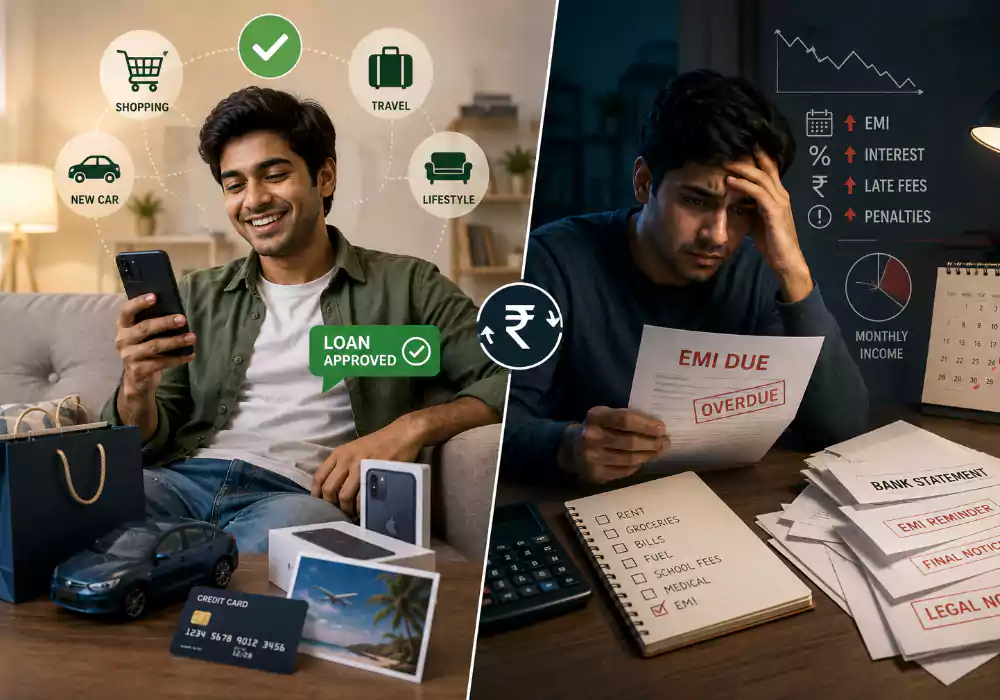
Borrowing money has never been easier than it is today. A few years ago, getting a loan often required multiple visits to a bank, stacks of paperwork, and lengthy approval processes. Today, a smartphone and a few taps can unlock access to credit within minutes. Whether it’s a personal loan, a credit card, or a buy-now-pay-later option, lenders have made borrowing incredibly convenient. While this convenience has helped millions of people handle emergencies and achieve short-term goals, it has also created a dangerous illusion that borrowing is simple and harmless.
Many people focus on the excitement of receiving money but spend very little time thinking about repayment. I have seen this pattern repeatedly among friends, family members, and even in my own financial journey. The moment money arrives, it feels like a solution. The monthly repayments, however, belong to a future version of ourselves that seems far away. Then reality arrives. Bills start appearing, interest accumulates, and suddenly what felt like financial freedom begins to feel like a burden.
The truth is that borrowing and repayment trigger completely different emotional responses. Borrowing delivers immediate satisfaction, while repayment requires discipline, patience, and sacrifice. Understanding why this happens is the first step toward making smarter financial decisions and avoiding long-term debt stress.
Why Borrowing Has Become So Convenient
Modern financial technology has transformed the lending industry. Banks, fintech companies, and digital lenders compete aggressively to attract customers. As a result, loan applications that once took days can now be completed in minutes. Digital verification systems, online banking integration, and automated approval processes have significantly reduced the barriers to borrowing.
Instant loan apps and online lending platforms often advertise quick approvals and minimal documentation. For someone facing a medical emergency, home repair, or unexpected expense, this convenience can be genuinely helpful. The problem begins when convenience encourages impulsive decisions. People may borrow without fully evaluating their repayment capacity because obtaining the money feels effortless.
Credit cards and buy-now-pay-later services make borrowing even less noticeable. Instead of seeing debt as a traditional loan, consumers see it as a simple payment option. Purchasing a new smartphone, furniture, or vacation package becomes easier because the cost is divided into smaller installments. Unfortunately, dividing a payment into smaller pieces does not reduce the total financial obligation. In some cases, interest charges and fees can increase the overall amount significantly. Easy access to credit often masks the long-term responsibility attached to it.
The Psychology Behind Easy Borrowing
Human psychology plays a major role in borrowing behavior. One of the strongest influences is instant gratification. People naturally prefer immediate rewards over delayed rewards. Receiving money today creates a positive emotional response because it solves an immediate problem or fulfills a desire right away.
The challenge is that repayment exists in the future. Our brains often treat future responsibilities as less important than present benefits. Imagine being offered a new phone today while being told you’ll pay for it over the next twelve months. Most people focus on the excitement of owning the phone rather than the series of future payments. This mental shortcut explains why borrowing often feels easier than repayment.
Another psychological factor is optimism bias. Many borrowers genuinely believe that future income will be higher, future expenses will be lower, or future financial conditions will improve. While this can happen, life rarely follows perfect plans. Unexpected expenses, job changes, health issues, and economic shifts can affect repayment ability. The gap between optimistic expectations and financial reality is often where repayment stress begins.
This is similar to overeating at a buffet. The pleasure comes immediately, while the discomfort arrives later. Borrowing works in much the same way. The benefits are front-loaded, while the costs are delayed.
Why Repayment Feels Much Harder Than Expected
One reason repayment feels difficult is that it competes directly with everyday living expenses. When people borrow money, they often evaluate whether they can afford the monthly installment based on their current situation. What they may not consider is how many other financial demands will arise during the repayment period.
Monthly budgets are constantly under pressure. Rent, groceries, fuel, utilities, education expenses, insurance premiums, and healthcare costs can increase unexpectedly. A loan installment that seemed manageable six months ago may become stressful when combined with rising living costs.
Interest is another major factor. Many borrowers focus on the principal amount and underestimate the impact of interest charges. Even moderate interest rates can significantly increase the total repayment amount over time. This becomes especially challenging when borrowers carry multiple debts simultaneously.
Income uncertainty adds another layer of difficulty. Freelancers, small business owners, commission-based workers, and even salaried employees can experience fluctuations in earnings. A missed bonus, reduced work hours, or unexpected financial setback can disrupt repayment plans. The emotional burden of knowing payments are due regardless of changing circumstances creates additional stress.
A Personal Experience with Borrowing and Repayment
Several years ago, I decided to finance a major purchase through monthly installments. At the time, the payment amount looked small and manageable. I calculated the installment based on my current income and assumed everything would remain stable. The approval process was quick, and I felt relieved because I could get what I wanted immediately.
The first few months were smooth. Then other expenses started appearing. Vehicle maintenance costs increased. Utility bills rose. A few unexpected family obligations required additional spending. Suddenly, the installment that once seemed insignificant became another fixed expense competing for space in my budget.
The biggest lesson was not that borrowing is bad. The lesson was that borrowing reduces future flexibility. Every monthly payment represents money that cannot be used elsewhere. When enough obligations accumulate, even financially responsible people can feel pressure. That experience taught me to evaluate loans not only based on affordability today but also based on how they might affect future financial freedom.
Common Situations Where People Fall into Debt Traps
Lifestyle inflation is one of the most common debt triggers. As income increases, spending often increases alongside it. People upgrade phones, vehicles, homes, and entertainment expenses because financing options make these purchases appear affordable. The danger is that multiple financed purchases can gradually consume a large portion of monthly income.
Emergencies are another common reason people borrow. Medical expenses, urgent repairs, and family crises can require immediate funds. In these situations, borrowing may be necessary and appropriate. Problems arise when emergency debt combines with existing financial obligations.
Many people also underestimate the impact of multiple small loans. A single loan payment may seem manageable. However, combining a credit card payment, personal loan installment, consumer financing plan, and buy-now-pay-later purchase can create a significant financial burden. Small obligations accumulate like drops filling a bucket. Eventually, the total weight becomes difficult to carry.
The debt trap often develops gradually rather than suddenly. Most people do not wake up one day overwhelmed by debt. Instead, they make a series of individually reasonable decisions that collectively create financial strain.
Signs That Debt Is Becoming a Problem
Recognizing warning signs early can prevent larger financial difficulties later. One common indicator is using new credit to pay existing debt. This creates a cycle where debt continues growing rather than shrinking.
Another sign is making only minimum payments on credit accounts. While minimum payments provide temporary relief, they often extend repayment periods and increase interest costs. If balances remain unchanged month after month, it may indicate a deeper problem.
Financial anxiety is another important signal. Constantly worrying about upcoming payments, avoiding account statements, or feeling stressed whenever bills arrive suggests that debt may be affecting overall financial health. Debt problems are not only mathematical; they are emotional as well.
Missing payments, borrowing for routine expenses, and having little or no emergency savings are additional warning signs. Identifying these issues early allows borrowers to take corrective action before the situation becomes more severe.
Step-by-Step Guide to Make Repayment Easier
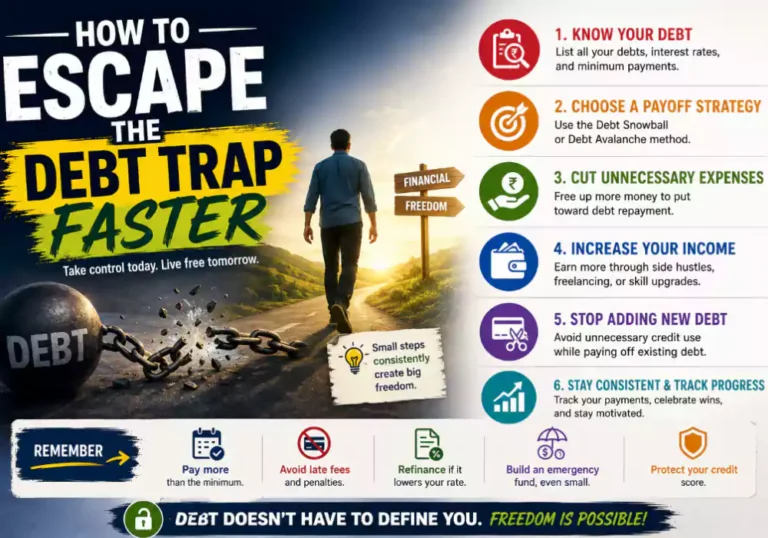
Calculate Your Total Debt
The first step is complete visibility. List every debt, including loan balances, credit card obligations, interest rates, and monthly payments. Many people underestimate their debt simply because they have never viewed all obligations in one place.
Create a Repayment Plan
Choose a repayment strategy that fits your personality and financial situation. Some people prefer paying off the smallest debt first to build momentum. Others focus on the highest interest debt to save money over time. The best strategy is the one you can consistently follow.
Automate Payments
Automatic payments reduce the risk of missed due dates and late fees. Automation also removes the temptation to spend money that should be allocated toward debt repayment. Consistency is often more important than perfection.
Reduce Unnecessary Expenses
Review subscriptions, dining habits, impulse purchases, and discretionary spending. Even modest savings can accelerate debt repayment when applied consistently. Small changes repeated every month often produce significant results over time.
Build an Emergency Fund
One of the biggest reasons people fall deeper into debt is a lack of emergency savings. Even a modest emergency fund can prevent future borrowing when unexpected expenses occur.
Helpful Apps and Tools for Debt Management
Technology can simplify debt management significantly. Budgeting apps help track spending patterns and identify areas where money is leaking away unnoticed. Expense-tracking tools provide visibility into daily financial habits, making it easier to allocate funds toward repayment goals.
Spreadsheet templates remain surprisingly effective. A simple debt tracker showing balances, interest rates, and progress can provide motivation and accountability. Many people find satisfaction in watching balances decline month after month.
Banking apps also offer useful features such as spending alerts, automatic transfers, bill reminders, and budgeting categories. These tools may seem basic, but they help create awareness, which is often the foundation of financial improvement.
The most effective tool, however, is consistency. No app can eliminate debt on your behalf. Technology supports good habits, but personal discipline ultimately determines success.
Mistakes to Avoid When Borrowing
One major mistake is borrowing without understanding the total repayment amount. Many people focus only on monthly installments while ignoring the full cost over the loan term.
Another common error is assuming future income increases will solve repayment challenges. Promotions, bonuses, and business growth are possibilities, not guarantees. Financial decisions should be based primarily on current income rather than hoped-for future earnings.
Ignoring loan terms is also risky. Processing fees, late payment charges, variable interest rates, and penalties can significantly affect borrowing costs. Reading the fine print may not be exciting, but it can prevent unpleasant surprises later.
Borrowing for non-essential purchases without a clear repayment strategy is another frequent mistake. Convenience should never replace careful financial planning. Every loan should have a clear purpose and a realistic repayment roadmap.
Healthy Financial Habits That Prevent Debt Stress
The most powerful debt prevention strategy is living below your means. This does not require extreme frugality. It simply means spending less than you earn and consistently saving a portion of your income.
Creating a monthly budget provides structure and awareness. People often discover surprising spending patterns once they start tracking expenses regularly. Small daily purchases can accumulate into substantial monthly amounts.
Building an emergency fund creates financial resilience. Unexpected expenses become inconveniences rather than crises when savings are available. This reduces dependence on borrowing during difficult situations.
Regular financial reviews are equally important. Spending ten minutes each week reviewing accounts, expenses, and goals can prevent small issues from becoming major problems. Financial health works much like physical fitness. Consistent maintenance produces better results than occasional intensive effort.
1. Why does borrowing money feel less stressful than repayment?
Borrowing provides immediate rewards and emotional satisfaction, while repayment removes financial freedom and creates ongoing obligations. The brain naturally prioritizes short-term pleasure over future discomfort.
2. What is the biggest danger of easy credit access?
Easy credit encourages impulsive spending and reduces the perceived seriousness of debt. Many people borrow more than they can comfortably repay because approval processes feel effortless.
3. Is all debt considered bad debt?
No. Debt used for education, business growth, or appreciating assets can create long-term value. Problems usually arise from borrowing for temporary lifestyle upgrades or unnecessary purchases.
4. How can I repay debt faster?
Using structured repayment methods like the debt snowball or avalanche strategy, reducing unnecessary expenses, and increasing monthly payments can accelerate repayment significantly.
5. How does social media influence borrowing habits?
Social media promotes comparison culture and lifestyle inflation. People often feel pressured to maintain appearances or buy trendy products, leading to emotional spending and increased debt.