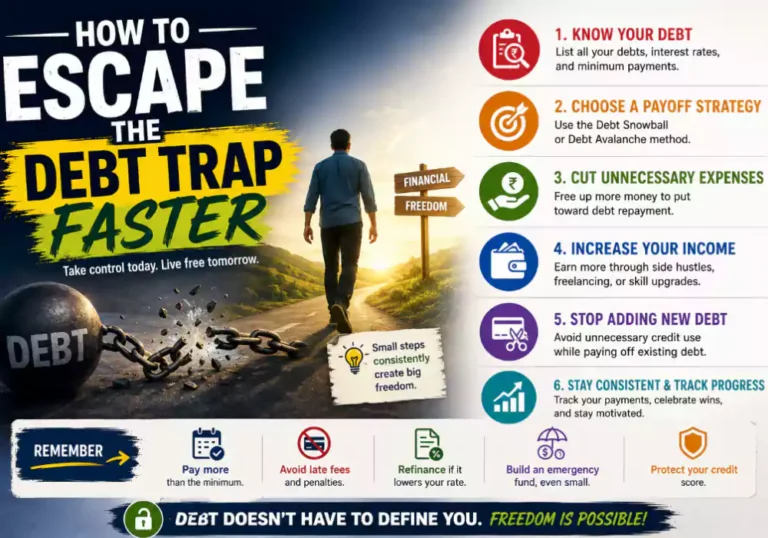
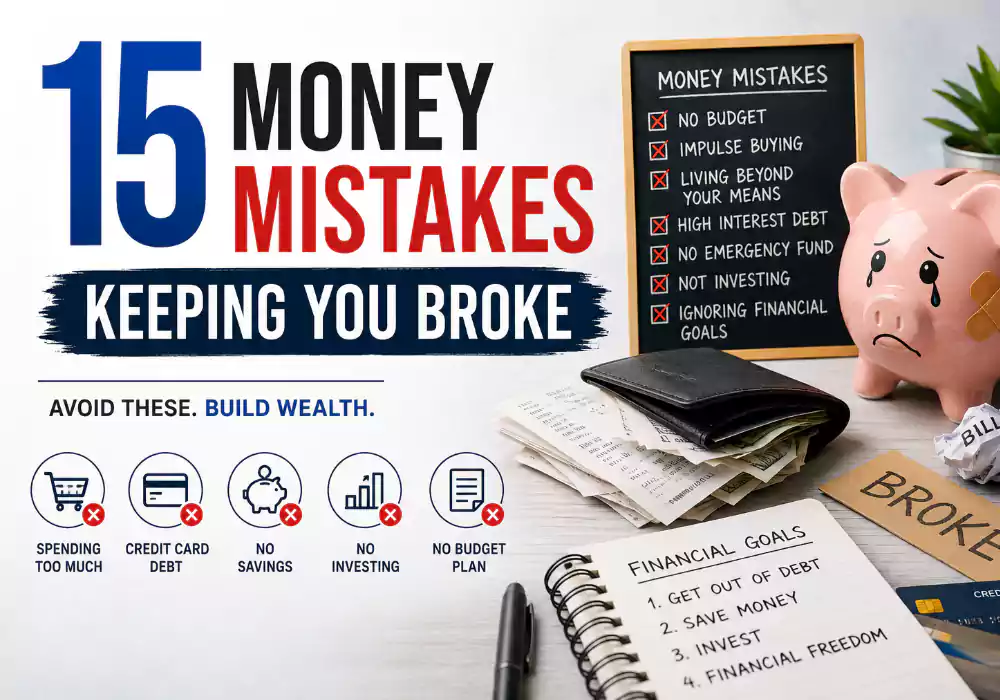
If you often wonder “Why am I always broke despite working hard?”, the answer may lie in your financial habits rather than your income. Common personal finance mistakes like overspending, relying too much on credit cards, and failing to save early can prevent you from building long-term wealth.
The good news is that these money mistakes can be fixed. By improving your budgeting skills, tracking expenses, reducing unnecessary spending, and making smarter financial decisions, you can gradually achieve financial stability and stop living paycheck to paycheck.
Using financial tools can also make money management easier. For example, a Cash Back Calculator helps you estimate reward savings from purchases, while a Capital Gains Tax Calculator can help you plan investments more efficiently and avoid unexpected tax liabilities. If you frequently split bills or dining expenses, a Tip Calculator can also help manage everyday spending accurately.

Why Smart People Still Struggle Financially
Being intelligent or highly educated does not automatically guarantee financial success. Many smart people still struggle with money because schools and colleges rarely teach practical personal finance skills such as budgeting, investing, debt management, or tax planning. As a result, even people with good salaries can end up living paycheck to paycheck.
One of the biggest financial mistakes is confusing high income with wealth. A person may earn a large salary but spend most of it on lifestyle upgrades, expensive gadgets, luxury subscriptions, or unnecessary monthly expenses. This habit, often called lifestyle inflation, can slowly destroy long-term financial stability.
Another common issue is emotional spending. Many people use shopping, food delivery apps, vacations, or online purchases as stress relief. While occasional spending is normal, repeated impulse buying can create serious budgeting problems and increase credit card debt over time.
Poor money management habits also play a major role. Without tracking expenses, it becomes difficult to understand where money is going each month. Using tools like a Cash Back Calculator can help identify potential savings opportunities on regular purchases, while a Tip Calculator can improve control over daily dining and entertainment expenses.
Debt is another major reason smart people remain financially stressed. Credit cards, personal loans, and buy-now-pay-later services make spending easy but can create long-term financial pressure if not managed properly. High-interest debt reduces your ability to save, invest, and build wealth.
Many people also ignore investing early because they believe they need a large amount of money to start. In reality, even small investments can grow significantly over time through compounding. Tools like a Capital Gains Tax Calculator can help investors estimate taxes and make smarter investment decisions.
Financial success is usually less about intelligence and more about consistent money habits. Learning how to budget, save, invest wisely, and avoid unnecessary spending can make a huge difference in long-term wealth building.
Managing your finances becomes easier when you use smart tools like our Cash Back Calculator and other free online calculator resources.
1. Living Without a Budget
One of the biggest money mistakes keeping people broke is living without a budget. When you do not track your income and expenses, it becomes easy to overspend, miss savings goals, and fall into debt. A budget gives you control over your money and helps you make smarter financial decisions.
Many people think budgeting is restrictive, but in reality, it helps you understand where your money is going each month. Without proper budgeting, small expenses like online shopping, food delivery, subscriptions, and impulse purchases can quietly consume a large portion of your income.
A common budgeting mistake is relying only on your bank balance to judge spending capacity. Just because money is available in your account does not mean it should be spent. Smart budgeting focuses on planned spending, emergency savings, debt repayment, and future financial goals.
Creating a monthly budget can also help reduce financial stress and prevent living paycheck to paycheck. Start by dividing your income into categories such as:
- Essential expenses
- Savings
- Investments
- Debt payments
- Entertainment
- Emergency fund
Tracking these categories regularly improves money management and helps identify unnecessary expenses.
Using financial tools can make budgeting easier and more accurate. For example, a Cash Back Calculator can help estimate savings from cashback rewards, while a Tip Calculator helps manage dining expenses more effectively. If you invest regularly, a Capital Gains Tax Calculator can also help plan taxes and improve overall financial planning.
People who follow a proper budget are usually better prepared for emergencies, unexpected bills, and long-term financial goals. Budgeting is not about avoiding fun — it is about spending intentionally and building financial stability over time.
Quick Tips to Improve Budgeting
- Track every expense for at least 30 days
- Avoid impulse spending
- Set monthly savings goals
- Review subscriptions regularly
- Use financial calculators to plan expenses
- Separate wants from needs
Building strong budgeting habits is one of the fastest ways to improve personal finances and stop unnecessary money leaks.
2. Spending Before Saving
Another major financial mistake that keeps many people broke is spending money first and saving whatever is left at the end of the month. In most cases, there is little or nothing remaining to save because daily expenses, impulse purchases, and lifestyle spending consume the entire paycheck.
Financial experts often recommend the “pay yourself first” strategy. This means setting aside savings immediately after receiving income before paying for non-essential expenses. Even saving a small percentage consistently can create long-term financial security.
People who delay saving often struggle during emergencies such as medical expenses, job loss, vehicle repairs, or sudden family needs. Without an emergency fund, many individuals depend on credit cards or loans, which can lead to high-interest debt and financial stress.
One common saving mistake is waiting for a higher salary before starting. The truth is that good saving habits matter more than income level. Someone earning a moderate salary with disciplined financial habits may build more wealth than a high-income earner with poor money management.
Automating savings is one of the easiest ways to improve financial discipline. Setting up automatic transfers to a savings or investment account reduces the temptation to spend unnecessarily. Over time, this creates a stronger financial foundation and supports long-term wealth building.
Using online financial tools can also improve savings planning. A Cash Back Calculator helps identify additional savings opportunities through reward programs, while a Capital Gains Tax Calculator can help investors understand potential tax liabilities and make better investment decisions. If you regularly manage dining or travel expenses, a Tip Calculator can also help avoid overspending on everyday activities.
Saving early is especially important because of the power of compound growth. The earlier you start saving and investing, the more time your money has to grow. Even small monthly contributions can become significant over several years.
Using a Compound Interest Calculator can help you understand how small monthly savings grow over time.
Signs You Are Spending Before Saving
- No emergency fund
- Living paycheck to paycheck
- Using credit cards for basic expenses
- Saving only when money is left over
- Struggling with unexpected expenses
Simple Ways to Build Better Saving Habits
- Save a fixed percentage of every paycheck
- Automate monthly savings transfers
- Reduce unnecessary subscriptions
- Avoid emotional spending
- Create separate savings goals
- Track monthly expenses regularly
Building a strong saving habit is one of the most important steps toward financial freedom and long-term stability.
3. Ignoring Small Daily Expenses
Many people focus only on large expenses while ignoring small daily spending habits. However, minor purchases made consistently over time can quietly drain your finances and become one of the biggest reasons people struggle to save money.
Daily expenses such as coffee, food delivery, snacks, online subscriptions, ride-sharing services, and impulse shopping may seem harmless individually. But when combined over weeks and months, these small costs can add up to a surprisingly large amount.
For example, spending ₹300 daily on unnecessary purchases equals more than ₹9,000 per month and over ₹1 lakh annually. This type of hidden spending often prevents people from building emergency savings, investing regularly, or paying off debt faster.
One major problem is that small expenses are easy to justify emotionally. People often think:
- “It’s only a small amount.”
- “I deserve this.”
- “I’ll save next month.”
Over time, this mindset creates poor financial habits and makes budgeting difficult. Tracking these expenses carefully can reveal where money is leaking unnecessarily.
Using financial tools can help improve spending awareness. A Tip Calculator helps manage restaurant and dining costs more accurately, while a Cash Back Calculator can show how much you can save through cashback rewards on everyday purchases. If your spending includes investments or asset sales, a Capital Gains Tax Calculator can also help improve overall financial planning.
Subscription services are another common money leak. Many people continue paying for streaming platforms, apps, gym memberships, or premium services they rarely use. Reviewing recurring payments regularly can immediately improve monthly cash flow.
Controlling small expenses does not mean eliminating all enjoyment from life. The goal is to spend intentionally rather than emotionally. Reducing unnecessary spending even slightly can create more room for savings, investments, and long-term wealth building.
Common Small Expenses That Add Up Quickly
- Coffee and snacks
- Food delivery apps
- Online shopping
- Streaming subscriptions
- Ride-sharing services
- Gaming or app purchases
- Frequent dining out
How to Reduce Daily Spending
- Track every expense for one month
- Set weekly spending limits
- Cancel unused subscriptions
- Cook more meals at home
- Avoid impulse purchases
- Use cashback rewards strategically
Small financial improvements made consistently can have a major impact on long-term financial health and wealth creation.
4. Using Credit Cards the Wrong Way
Credit cards can be useful financial tools when managed responsibly, but using them incorrectly is one of the fastest ways to fall into debt and financial stress. Many people rely heavily on credit cards for lifestyle spending, impulse purchases, or expenses they cannot truly afford, which creates long-term money problems.
One of the biggest credit card mistakes is paying only the minimum amount due each month. While this may seem convenient temporarily, the remaining balance continues accumulating high interest charges. Over time, even small unpaid balances can grow into significant debt.
Another common issue is treating credit limits as extra income. A credit card is borrowed money, not free money. Spending beyond your actual budget often leads to overspending, missed payments, and financial instability.
Impulse buying becomes even easier with credit cards because people feel less emotional pain when swiping a card compared to paying cash. Online shopping platforms, one-click payments, and buy-now-pay-later offers encourage unnecessary spending habits that damage personal finances.
Many people also misuse reward programs and cashback offers. Cashback rewards are valuable only if the balance is paid in full every month. Paying high interest charges usually cancels out the benefits earned through reward points or cashback programs.
To manage rewards more effectively, tools like a Cash Back Calculator can help estimate potential savings and compare spending benefits. Similarly, a Tip Calculator can help control restaurant and entertainment expenses where credit card overspending is common. Investors who use credit for trading or asset purchases may also benefit from using a Capital Gains Tax Calculator to improve overall financial planning.
Late payments are another dangerous financial habit. Missing due dates can result in:
- High penalty fees
- Increased interest rates
- Lower credit scores
- Difficulty getting future loans
Maintaining a healthy credit score is important for future financial opportunities such as home loans, car loans, and lower borrowing costs.
Signs You May Be Misusing Credit Cards
- Carrying balances every month
- Paying only minimum dues
- Using credit cards for essentials
- Frequently maxing out credit limits
- Taking loans to repay credit card debt
Smart Credit Card Habits
- Pay the full balance every month
- Keep credit utilization low
- Avoid impulse purchases
- Track monthly spending carefully
- Use rewards strategically
- Never treat credit as extra income
Responsible credit card use can improve financial flexibility and rewards, but poor credit habits can quickly keep you trapped in debt and prevent long-term wealth building.
5. Carrying High-Interest Debt
High-interest debt is one of the most damaging financial burdens that can keep people stuck in a cycle of stress and poverty for years. Credit card balances, personal loans, payday loans, and other expensive borrowing options can quickly consume a large portion of your monthly income through interest payments alone.
The biggest problem with high-interest debt is that it grows rapidly over time. When monthly payments mostly go toward interest instead of reducing the principal amount, it becomes difficult to escape the debt cycle. Many people continue borrowing more money just to manage existing payments, which worsens their financial situation.
Credit card debt is especially dangerous because interest rates are often extremely high. If balances are carried month after month, even small purchases can become significantly more expensive over time. This reduces your ability to save, invest, or build financial security.
Another common mistake is taking personal loans for lifestyle expenses such as vacations, gadgets, luxury purchases, or celebrations. Borrowing money for non-essential spending can create long-term financial pressure without providing lasting value.
High-interest debt also affects mental health and overall financial stability. Constant repayment pressure can lead to stress, anxiety, and difficulty achieving long-term goals like home ownership, retirement planning, or investing.
To regain control, it is important to prioritize debt repayment strategies. Two popular methods include:
- Debt Snowball Method – Paying off smaller debts first for motivation
- Debt Avalanche Method – Paying off highest-interest debts first to save money
Using financial tools can also support smarter money management. A Cash Back Calculator may help identify extra savings opportunities that can be redirected toward debt payments. A Tip Calculator can reduce overspending on dining and entertainment, while a Capital Gains Tax Calculator can assist investors in planning taxes more efficiently and preserving investment profits.
Reducing unnecessary expenses and increasing monthly debt payments can significantly shorten repayment time and reduce total interest costs.
Common Types of High-Interest Debt
- Credit card debt
- Payday loans
- Personal loans
- Buy-now-pay-later balances
- High-interest EMI purchases
Ways to Pay Off Debt Faster
- Stop taking new unnecessary debt
- Pay more than the minimum amount
- Focus on highest-interest balances first
- Reduce discretionary spending
- Create a strict monthly budget
- Use extra income toward repayments
Eliminating high-interest debt is one of the most powerful steps toward achieving financial freedom and long-term wealth building.
6. Not Tracking Net Worth
Many people track their salary, savings account balance, or monthly expenses, but very few regularly track their net worth. This is a major financial mistake because net worth gives a complete picture of your overall financial health and long-term progress.
Your net worth is calculated by subtracting your liabilities from your assets.
Simple Net Worth Formula
Net Worth = Total Assets − Total Liabilities
Assets may include:
- Savings accounts
- Investments
- Real estate
- Retirement funds
- Business ownership
- Vehicles or valuable assets
Liabilities may include:
- Credit card debt
- Personal loans
- Home loans
- Car loans
- Other outstanding debt
A person with a high salary but massive debt may actually have a very low or negative net worth. This is why income alone does not determine financial success.
Tracking net worth regularly helps you:
- Understand your financial position
- Monitor wealth growth
- Identify excessive debt
- Stay motivated toward financial goals
- Improve money management habits
Without measuring financial progress, it becomes difficult to know whether your financial decisions are actually improving your future.
Many people focus too heavily on increasing income while ignoring debt reduction or wealth creation. Building true financial security requires growing assets while minimizing liabilities.
Using financial calculators can make wealth tracking easier. A Capital Gains Tax Calculator helps estimate taxes on investment profits and supports smarter investment planning. A Cash Back Calculator can identify savings opportunities that improve monthly cash flow, while a Tip Calculator helps manage small daily expenses that may otherwise reduce savings potential.
Tracking net worth also encourages better long-term financial behavior. People who monitor their financial progress are often more disciplined about:
- Saving consistently
- Paying down debt
- Avoiding impulse spending
- Investing for the future
Even if your current net worth is low, the important thing is to start tracking it regularly and improve it gradually over time.
Signs You Are Not Monitoring Financial Health Properly
- No idea how much debt you owe
- Not tracking investments
- Focusing only on salary increases
- Ignoring loan balances
- No long-term financial goals
Tips to Improve Your Net Worth
- Increase savings rate
- Reduce high-interest debt
- Invest consistently
- Avoid unnecessary liabilities
- Review financial progress monthly
- Build multiple income sources
Tracking net worth helps shift your mindset from simply earning money to actually building long-term wealth and financial stability.
7. Lifestyle Inflation
Lifestyle inflation, also known as lifestyle creep, happens when your spending increases every time your income increases. Instead of saving or investing extra income, many people upgrade their lifestyle by buying more expensive products, moving to larger homes, dining out more often, or purchasing luxury items they previously avoided.
At first, these upgrades may seem harmless or even deserved after hard work and career growth. However, lifestyle inflation is one of the biggest reasons many high-income earners still struggle financially and fail to build long-term wealth.
A salary increase should improve your financial security, but for many people, it only increases monthly expenses. The moment income rises, spending rises too. This creates a cycle where people continue living paycheck to paycheck despite earning more money than before.
Social media also plays a major role in encouraging lifestyle inflation. Constant exposure to luxury vacations, expensive gadgets, designer products, and influencer lifestyles creates pressure to spend beyond your actual financial needs.
Another common problem is upgrading fixed expenses too quickly. Larger homes, expensive cars, premium memberships, and luxury EMIs increase financial commitments and reduce flexibility during emergencies or economic downturns.
Lifestyle inflation can quietly delay important financial goals such as:
- Building an emergency fund
- Paying off debt
- Investing for retirement
- Buying a home
- Achieving financial freedom
Instead of spending every salary increase, financially disciplined people often allocate additional income toward savings, investments, and debt repayment.
Using smart financial tools can support better spending decisions. A Cash Back Calculator can help optimize everyday purchases and reduce unnecessary spending, while a Tip Calculator helps control restaurant and entertainment costs. Investors should also use a Capital Gains Tax Calculator to estimate taxes and make more efficient long-term investment decisions.
Avoiding lifestyle inflation does not mean avoiding enjoyment or success. The goal is to upgrade your financial future before upgrading your lifestyle.
Common Signs of Lifestyle Inflation
- Increasing monthly expenses after every raise
- Buying luxury items to impress others
- Taking unnecessary EMIs
- Spending more on dining and entertainment
- Saving less despite earning more
How to Avoid Lifestyle Inflation
- Save part of every salary increase
- Maintain a monthly budget
- Focus on long-term financial goals
- Avoid emotional and status spending
- Invest extra income consistently
- Differentiate needs from wants
Controlling lifestyle inflation is one of the most powerful ways to build wealth faster and achieve long-term financial stability.
8. Not Investing Early
One of the most expensive financial mistakes people make is delaying investing. Many individuals believe they need a high income or large savings before they can start investing, but waiting too long can significantly reduce long-term wealth potential.
The biggest advantage in investing is time. Starting early allows your money to grow through the power of compound interest, where your returns begin generating additional returns over time. Even small investments made consistently can become substantial over several years.
For example, a person who starts investing in their 20s may accumulate far more wealth than someone who begins in their 40s, even if the later investor contributes larger amounts monthly. Time in the market is often more important than trying to perfectly time the market.
Many people avoid investing because of fear, lack of financial education, or uncertainty about where to begin. Others keep all their money in savings accounts, which may not generate enough returns to beat inflation over the long term. As inflation rises, the purchasing power of idle money decreases gradually.
Delaying investments can also impact major financial goals such as:
- Retirement planning
- Buying a home
- Children’s education
- Financial independence
- Wealth creation
Learning basic investment concepts early can improve financial confidence and long-term decision-making. Starting with simple, diversified investments and investing consistently is often more effective than waiting for the “perfect” opportunity.
Using online financial tools can help investors make smarter decisions. A Capital Gains Tax Calculator helps estimate taxes on investment profits and supports better tax planning. A Cash Back Calculator can identify extra monthly savings that can be redirected toward investments, while a Tip Calculator helps reduce unnecessary daily spending and improve overall savings capacity.
Many successful investors focus on disciplined investing habits rather than chasing quick profits. Consistency and patience are usually more powerful than trying to predict short-term market movements.
Common Reasons People Delay Investing
- Fear of losing money
- Lack of financial knowledge
- Believing they need a large amount to start
- Waiting for higher income
- Trying to time the market perfectly
Benefits of Investing Early
- More compound growth
- Greater financial security
- Better retirement planning
- Reduced financial stress later in life
- Higher long-term wealth potential
Simple Investing Habits to Build Wealth
- Start with small monthly investments
- Invest consistently
- Diversify investments
- Focus on long-term goals
- Avoid emotional investing decisions
- Continue learning about personal finance
Starting early is one of the most important financial decisions you can make for long-term wealth building and financial freedom.
9. Paying Unnecessary Taxes
Paying more taxes than necessary is a common financial mistake that can reduce savings, investment returns, and overall wealth growth. While taxes are unavoidable, poor tax planning often causes people to lose significant amounts of money every year.
Many individuals ignore tax-saving opportunities simply because they lack financial awareness or delay planning until the last minute. Without proper tax management, investors and salaried individuals may end up making rushed financial decisions that do not support long-term wealth building.
One major mistake is not understanding how different types of income are taxed. Salary income, capital gains, rental income, business profits, and investment returns may all have different tax implications. Failing to plan for these taxes can create unexpected liabilities and financial stress.
Investors especially need to understand short-term and long-term capital gains taxes. Selling investments without considering tax impact can reduce actual profits significantly. Using a Capital Gains Tax Calculator can help estimate tax liabilities before selling assets and support smarter investment planning.
Another common issue is ignoring available deductions and exemptions. Many people fail to utilize legitimate tax-saving options related to:
- Retirement contributions
- Insurance premiums
- Education expenses
- Home loans
- Investment schemes
Poor record keeping is another costly mistake. Without organized financial records, taxpayers may miss deductions, struggle during filing season, or even face penalties for incorrect reporting.
Tax planning should not happen only during the final weeks before filing returns. Smart financial management involves year-round planning to optimize savings, investments, and tax efficiency.
Using financial tools can simplify this process. A Capital Gains Tax Calculator helps investors plan asset sales more effectively, while a Cash Back Calculator can improve monthly savings through optimized spending. A Tip Calculator can also help manage daily discretionary expenses and maintain better budget control.
Reducing unnecessary taxes legally allows you to keep more of your income for:
- Savings
- Investments
- Debt repayment
- Emergency funds
- Retirement planning
Common Tax Mistakes
- Waiting until the last minute for tax planning
- Ignoring tax-saving investments
- Not tracking capital gains
- Poor financial record keeping
- Selling investments without tax consideration
Smart Tax Planning Tips
- Understand your tax bracket
- Track investment gains and losses
- Use legal deductions effectively
- Plan investments strategically
- Keep financial documents organized
- Review tax-saving opportunities annually
Effective tax planning is an important part of personal finance and can significantly improve long-term wealth creation and financial stability.
10. Ignoring Cashback and Rewards
Many people overlook cashback programs, reward points, and loyalty benefits, assuming the savings are too small to matter. However, ignoring these opportunities can mean missing out on easy money that could improve your monthly budget and overall financial management.
Cashback and rewards are most effective when used strategically on planned purchases that you would make anyway. Over time, small percentages earned on groceries, fuel, online shopping, travel, and utility payments can add up to meaningful savings.
One of the biggest mistakes people make is either ignoring rewards completely or using them irresponsibly. Some individuals overspend simply to earn cashback or reward points, which defeats the purpose of saving money. Smart financial habits involve maximizing rewards without increasing unnecessary spending.
Credit cards, digital wallets, shopping apps, and banking platforms often provide cashback offers that can reduce everyday expenses. However, many users fail to:
- Compare reward programs
- Redeem points on time
- Track cashback earnings
- Choose the right spending categories
Using a Cash Back Calculator can help estimate how much you can save annually through cashback programs and compare reward benefits more accurately. This helps users make smarter purchasing decisions and optimize their spending habits.
Small savings generated through rewards can then be redirected toward:
- Emergency savings
- Debt repayment
- Investments
- Retirement planning
Managing daily expenses carefully also improves financial discipline. For example, a Tip Calculator can help control restaurant and entertainment spending, while a Capital Gains Tax Calculator helps investors estimate taxes and preserve more investment profits.
Many financially successful people focus on optimizing even small financial advantages. While cashback alone will not create wealth, combining smart savings habits with disciplined spending can improve long-term financial stability.
Common Cashback and Reward Mistakes
- Overspending to earn rewards
- Missing reward expiration dates
- Ignoring cashback opportunities
- Carrying credit card balances with high interest
- Not comparing reward programs
How to Use Cashback Smartly
- Use rewards only for planned spending
- Pay credit card balances fully each month
- Track cashback categories regularly
- Redeem rewards before expiration
- Avoid impulse purchases for points
Benefits of Reward Optimization
- Reduces monthly expenses
- Improves budgeting efficiency
- Increases savings potential
- Encourages smarter spending habits
- Supports long-term financial planning
Using cashback and rewards wisely is a simple but effective way to improve money management and reduce unnecessary financial waste over time.
11. Buying Things to Impress Others
One of the most damaging financial habits is spending money to impress other people. Many individuals buy expensive gadgets, luxury clothing, premium vehicles, or high-end lifestyles mainly to gain social approval rather than fulfill actual needs. This type of emotional spending can quickly destroy financial stability and prevent long-term wealth building.
Social pressure plays a major role in unnecessary spending. Social media platforms constantly showcase luxury lifestyles, vacations, designer products, and expensive experiences, creating unrealistic expectations and comparison habits. Many people feel pressured to “keep up” even when it harms their finances.
The problem with status spending is that it usually provides only temporary satisfaction while creating long-term financial obligations. Expensive EMIs, credit card debt, and unnecessary monthly expenses reduce the ability to save, invest, or build an emergency fund.
A common financial mistake is confusing appearance with wealth. Truly wealthy individuals often prioritize investments, assets, and financial security over showing off expensive possessions. Meanwhile, many people who appear financially successful may actually be struggling with debt and poor money management behind the scenes.
Buying things to impress others can also delay important goals such as:
- Paying off debt
- Building savings
- Investing early
- Purchasing a home
- Achieving financial independence
Impulse purchases are especially dangerous when financed through credit cards or loans. Many people end up paying interest for years on products that lose value quickly.
Using financial tools can help improve spending awareness and encourage smarter decisions. A Cash Back Calculator can help optimize planned purchases without overspending, while a Tip Calculator helps control entertainment and dining expenses. Investors should also use a Capital Gains Tax Calculator to protect investment returns through better tax planning.
Financial discipline means focusing on your long-term future rather than short-term social validation.
Common Signs of Status Spending
- Buying luxury items mainly for social approval
- Frequently upgrading gadgets unnecessarily
- Taking loans for non-essential purchases
- Overspending on branded products
- Feeling pressure to match others’ lifestyles
How to Avoid Spending to Impress Others
- Focus on personal financial goals
- Create a realistic monthly budget
- Limit social comparison habits
- Differentiate wants from needs
- Prioritize savings and investments
- Practice mindful spending
Building wealth is often about making smart financial decisions privately rather than displaying expensive lifestyles publicly.
12. No Emergency Fund
One of the biggest financial mistakes people make is not having an emergency fund. Unexpected expenses are a normal part of life, and without savings set aside for emergencies, even a small financial setback can quickly turn into a serious debt problem.
Medical bills, job loss, car repairs, home maintenance, or sudden family emergencies can happen at any time. People without emergency savings often rely on credit cards, personal loans, or borrowing from others to manage these situations, which creates additional financial stress and high-interest debt.
An emergency fund acts as a financial safety net. It protects your long-term financial goals by preventing you from using investment money or taking on unnecessary debt during difficult times.
Financial experts commonly recommend saving at least:
- 3 to 6 months of essential living expenses
- More if income is unstable or self-employed
Many people avoid building an emergency fund because they believe they cannot save enough. However, emergency savings grow gradually through consistent small contributions. Starting with even a modest savings goal is far better than having no backup at all.
Without emergency savings, financial recovery becomes much harder after unexpected events. People may miss loan payments, damage their credit score, or delay important goals like investing and retirement planning.
Using financial tools can support better savings habits. A Cash Back Calculator helps identify savings opportunities from everyday spending, while a Tip Calculator can reduce unnecessary restaurant and entertainment expenses. Investors should also use a Capital Gains Tax Calculator to plan investment withdrawals carefully and avoid unnecessary tax burdens during emergencies.
Building an emergency fund also improves peace of mind and financial confidence because you know you are better prepared for unexpected situations.
Signs You Need an Emergency Fund
- Using credit cards for emergencies
- Living paycheck to paycheck
- No backup savings account
- Borrowing money unexpectedly
- Financial stress from small expenses
How to Build an Emergency Fund Faster
- Automate monthly savings
- Reduce unnecessary spending
- Save bonuses or extra income
- Use cashback rewards toward savings
- Keep emergency money separate
- Start small but save consistently
Best Place to Keep Emergency Savings
Emergency funds should usually be:
- Easily accessible
- Safe from market risk
- Separate from daily spending accounts
A strong emergency fund is one of the foundations of financial security and helps prevent temporary problems from becoming long-term financial disasters.
13. Avoiding Financial Education
One of the most overlooked money mistakes is avoiding financial education. Many people spend years studying for careers and jobs but never learn basic personal finance skills such as budgeting, saving, investing, debt management, taxes, or retirement planning. As a result, they may earn money but still struggle to manage it effectively.
Financial illiteracy can lead to poor decisions such as:
- Overspending
- High-interest debt
- Bad investments
- Insufficient savings
- Poor retirement planning
- Emotional financial decisions
Many people depend entirely on advice from friends, social media influencers, or random online content without understanding how money actually works. This often leads to confusion, scams, or risky financial behavior.
Learning about personal finance does not require becoming a financial expert. Even understanding simple concepts like budgeting, compound interest, emergency funds, taxes, and investing can dramatically improve long-term financial health.
One major advantage of financial education is that it helps people make informed decisions rather than emotional ones. Financially educated individuals are usually better at:
- Controlling spending habits
- Managing debt responsibly
- Building savings consistently
- Investing for long-term growth
- Planning taxes efficiently
Using financial tools regularly can also improve money awareness. A Cash Back Calculator helps optimize spending rewards, while a Tip Calculator supports better control of everyday expenses. Investors can use a Capital Gains Tax Calculator to estimate taxes on investment profits and make smarter financial planning decisions.
The internet has made financial education more accessible than ever. Reading personal finance blogs, learning investment basics, understanding taxes, and using online calculators can help build stronger money management habits over time.
Financial education is especially important because inflation, rising living costs, and changing economic conditions make poor money decisions more expensive than ever.
Common Signs of Poor Financial Education
- No understanding of budgeting
- Fear of investing
- Relying heavily on debt
- Poor savings habits
- Ignoring retirement planning
- Making emotional financial decisions
Ways to Improve Financial Knowledge
- Read personal finance blogs regularly
- Learn basic investing concepts
- Understand taxes and budgeting
- Use financial calculators frequently
- Follow reliable financial resources
- Track your financial progress monthly
Important Financial Topics Everyone Should Learn
- Budgeting
- Emergency funds
- Investing basics
- Debt management
- Retirement planning
- Tax planning
- Compound interest
Financial education is one of the most valuable long-term investments because better money knowledge often leads to better financial decisions and greater wealth creation.
14. Not Planning for Retirement
Many people focus only on current expenses and short-term financial goals while ignoring retirement planning. This is a serious financial mistake because the earlier you prepare for retirement, the easier it becomes to build long-term financial security and financial independence.
A common misconception is that retirement planning can wait until later in life. However, delaying retirement savings reduces the benefits of compound growth and increases the amount of money required later. Starting early allows investments more time to grow and reduces financial pressure in the future.
Without proper retirement planning, people may struggle to maintain their lifestyle after their working years end. Rising healthcare costs, inflation, and longer life expectancy make retirement preparation more important than ever.
Many individuals depend entirely on salary income and fail to create long-term retirement assets. Relying only on future income without investments or savings can create financial insecurity during retirement years.
Important retirement planning options in India include:
- Employee Provident Fund (EPF)
- Public Provident Fund (PPF)
- National Pension System (NPS)
- Mutual funds
- Long-term investments
Understanding these financial tools can help build a stronger retirement strategy and improve wealth creation over time.
One major benefit of early retirement planning is financial freedom. People with strong retirement savings have more flexibility, reduced financial stress, and greater independence later in life.
Using financial calculators can also improve retirement preparation. A Capital Gains Tax Calculator helps estimate taxes on investment profits and supports smarter long-term investment decisions. A Cash Back Calculator can identify small monthly savings opportunities that can be redirected toward retirement investments, while a Tip Calculator helps control unnecessary lifestyle spending.
Many people underestimate how much money they will need after retirement. Inflation gradually increases the cost of living, meaning future expenses may be much higher than current expenses.
Common Retirement Planning Mistakes
- Starting too late
- Depending only on salary income
- Ignoring inflation
- Not investing consistently
- Withdrawing retirement savings early
- Having no long-term financial plan
Benefits of Early Retirement Planning
- More compound growth
- Lower financial stress later
- Better financial independence
- Greater investment flexibility
- Improved long-term wealth creation
Tips for Better Retirement Planning
- Start investing early
- Increase retirement contributions regularly
- Diversify long-term investments
- Avoid unnecessary debt
- Review retirement goals annually
- Build multiple income sources
Retirement planning is not only about old age — it is about creating long-term financial security, independence, and peace of mind for the future.
15. Waiting for “More Income” to Fix Everything
One of the most common money mistakes is believing that earning more money will automatically solve all financial problems. While increasing income can certainly help, poor financial habits often continue regardless of salary level. Many people who receive raises, bonuses, or better-paying jobs still struggle financially because their spending increases along with their income.
The truth is that financial discipline matters more than income alone. Someone with moderate earnings and strong money management habits can build more wealth than a high-income earner with excessive spending and debt.
Many people postpone important financial habits by saying:
- “I’ll start saving when I earn more.”
- “I’ll invest later.”
- “I’ll budget once my salary increases.”
- “I’ll pay off debt after getting a better job.”
Unfortunately, waiting for future income often delays financial progress for years. Without improving spending habits, budgeting skills, and financial discipline, higher income may simply lead to larger expenses and lifestyle inflation.
Another problem is relying entirely on active income without building assets or investments. Financial security usually comes from consistent saving, investing, and smart financial planning — not only from earning a higher salary.
People who manage money well often focus on:
- Controlling expenses
- Building emergency savings
- Investing consistently
- Reducing debt
- Improving financial knowledge
- Growing assets gradually
Using financial tools can help improve daily financial decisions even before income increases. A Cash Back Calculator can identify savings opportunities from regular spending, while a Tip Calculator helps control dining and entertainment expenses. Investors can use a Capital Gains Tax Calculator to estimate taxes and improve long-term investment planning.
Improving financial habits now creates a stronger foundation for future income growth. Otherwise, higher earnings may only create bigger financial problems instead of long-term wealth.
Signs You Are Depending Too Much on Future Income
- No current savings plan
- Delaying investing
- Overspending regularly
- Living paycheck to paycheck
- Relying heavily on credit cards
- Ignoring budgeting
Better Alternatives to Waiting for More Income
- Start budgeting immediately
- Save a small amount consistently
- Reduce unnecessary expenses
- Learn personal finance skills
- Build emergency savings
- Invest regularly, even in small amounts
Why Financial Habits Matter More Than Salary
Good financial habits help you:
- Control spending
- Avoid debt
- Build wealth steadily
- Prepare for emergencies
- Achieve financial freedom faster
Income is important, but long-term wealth is usually built through consistent financial discipline, smart money decisions, and strong personal finance habits.
Quick Checklist to Stop Staying Broke
Improving your financial situation does not always require a massive income increase. In many cases, small consistent changes in spending habits, budgeting, saving, and investing can create major long-term financial improvements. If you want to stop living paycheck to paycheck and build financial stability, start by following this simple money management checklist.
Create a Monthly Budget
A proper budget helps you track income, control expenses, and reduce unnecessary spending. Budgeting improves financial awareness and prevents money from disappearing without explanation.
Focus on:
- Tracking all expenses
- Limiting impulse purchases
- Setting monthly savings goals
- Reducing wasteful spending
You can also use a Tip Calculator to manage restaurant and entertainment expenses more accurately.
Build an Emergency Fund
Emergency savings protect you from unexpected expenses like medical bills, repairs, or job loss. Even small monthly contributions can gradually create financial security.
Goal:
- Save at least 3–6 months of essential expenses
- Keep emergency savings separate from daily spending accounts
Reduce High-Interest Debt
High-interest debt can slow wealth building and increase financial stress. Prioritize paying off credit cards, personal loans, and other expensive debt as quickly as possible.
Smart debt habits:
- Pay more than minimum dues
- Avoid unnecessary borrowing
- Stop using debt for lifestyle spending
Start Investing Early
Investing consistently allows your money to grow through compound interest over time. Waiting too long can reduce your long-term wealth potential.
Important investing habits:
- Invest regularly
- Focus on long-term growth
- Avoid emotional investing decisions
Using a Capital Gains Tax Calculator can also help estimate taxes on investment profits and improve financial planning.
Avoid Lifestyle Inflation
Do not increase spending every time your income increases. Instead of upgrading your lifestyle immediately, use extra income to:
- Save more
- Invest more
- Pay down debt
- Build long-term assets
Track Daily Spending
Small daily expenses can quietly damage your finances over time. Monitor subscriptions, food delivery, online shopping, and impulse purchases regularly.
A Cash Back Calculator can help identify cashback savings opportunities and optimize regular spending habits.
Improve Financial Education
Learning basic personal finance skills helps you make smarter decisions about:
- Budgeting
- Saving
- Taxes
- Investing
- Debt management
- Retirement planning
Financial knowledge improves confidence and long-term money management.
Set Long-Term Financial Goals
Clear goals help you stay motivated and disciplined. Examples include:
- Building emergency savings
- Buying a home
- Becoming debt-free
- Retiring comfortably
- Achieving financial independence
Frequently Asked Questions
1. What is the biggest money mistake people make?
One of the biggest money mistakes is living without a budget. Without tracking income and expenses, people often overspend, accumulate debt, and struggle to save money consistently. Poor budgeting habits can also lead to financial stress and living paycheck to paycheck.
Using tools like a Cash Back Calculator can help optimize spending, while a Tip Calculator can improve control over everyday expenses.
2. Why is investing early important?
Investing early gives your money more time to grow through compound interest. Starting early usually requires smaller monthly investments to achieve long-term financial goals compared to starting later.
Early investing also improves retirement planning and long-term wealth creation.
3. What is lifestyle inflation?
Lifestyle inflation happens when spending increases along with income. Instead of saving or investing additional income, people often upgrade their lifestyle and increase monthly expenses.
Controlling lifestyle inflation is important for long-term financial stability and wealth building.
4. What is the first step toward financial freedom?
The first step is becoming aware of your financial habits. Tracking expenses, creating a budget, reducing debt, and saving consistently are the foundation of long-term financial freedom and wealth creation.