
Why Most People Never Learn These Banking Rules
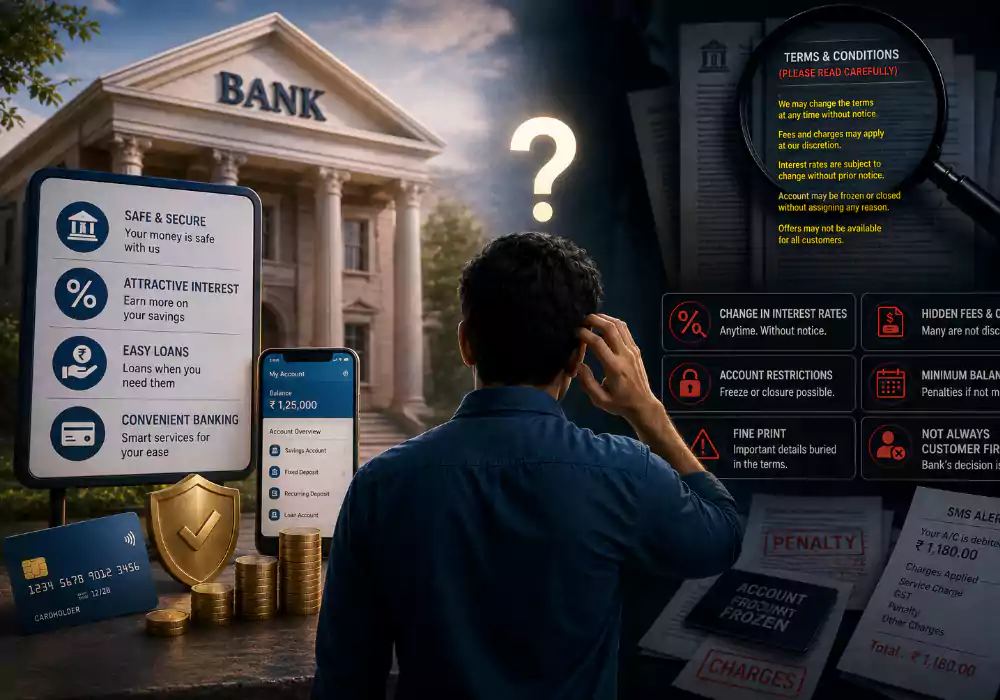
For years, I assumed banking was straightforward. Open an account, deposit money, use a debit card, and occasionally apply for a loan. That was my understanding until I started noticing small deductions, unexpected fees, and confusing policies hidden deep inside lengthy documents I had never fully read. Many people have a similar experience. Banks provide important information, but it is often buried within terms and conditions that most customers skim through or ignore entirely.
The reality is that banks operate as businesses. Their primary goal is to provide financial services while generating revenue. There is nothing wrong with that. Problems arise when customers assume every service is free or believe their bank will always proactively explain every rule. In practice, many banking policies are disclosed but not highlighted in a way that grabs attention.
The average customer focuses on convenience. They want easy transfers, ATM access, online banking, and quick loan approvals. As a result, details about maintenance charges, account restrictions, transaction limits, and penalty structures often receive little attention. These overlooked rules can slowly drain money from your account or create financial inconvenience when you least expect it.
Learning these hidden banking rules is not about distrusting banks. It is about becoming a smarter customer who understands how the system works. Once you know the rules, you can avoid unnecessary fees, improve your financial decisions, and keep more of your hard-earned money.
The Gap Between Banking Terms and Customer Understanding
One lesson I learned early was that banking terminology can be intimidating. Terms such as average monthly balance, lien amount, processing fee, foreclosure charges, dormant account status, and auto-renewal instructions sound technical, but they affect ordinary customers every day.
Many people sign forms without understanding these terms. Later, when a fee appears or a request gets rejected, frustration follows. The issue is not always a lack of transparency. Sometimes it is simply a lack of explanation in plain language.
Think of banking documents like instruction manuals that come with electronic devices. Most people skip the manual until something goes wrong. Banking works similarly. Understanding a few important terms before opening an account or taking a loan can prevent costly surprises later.
Minimum Balance Rules Can Cost More Than You Expect
One of the most common banking surprises involves minimum balance requirements. Years ago, I opened an account because it offered a free debit card and online banking. Everything seemed perfect until I noticed monthly deductions. After checking my statement, I discovered I had failed to maintain the required minimum balance.
Many banks require customers to keep a specific amount in their savings account. If the balance falls below that threshold, penalties may apply. What catches people off guard is that these charges can repeat month after month if the issue remains unresolved.
A common misconception is that small balance shortages result in small penalties. In reality, fees can sometimes exceed expectations, especially when combined with taxes and additional service charges. Someone who rarely checks statements may not notice the deductions until a significant amount has already disappeared.
The solution is simple. Before opening any account, ask about minimum balance requirements, penalties, and account alternatives. Many banks now offer zero-balance accounts or accounts designed for students, senior citizens, and specific customer categories. Choosing the right account type can eliminate unnecessary expenses.
How Penalties Quietly Add Up
The danger lies in repetition. A single penalty may seem insignificant, but repeated monthly charges can create a noticeable financial impact over a year. Customers who maintain multiple accounts are particularly vulnerable because monitoring every balance becomes more difficult.
Creating account alerts through your banking app is an easy way to stay informed. Most modern banking applications allow notifications when balances fall below a chosen threshold. This simple feature can save money without requiring constant manual monitoring.
Your Savings Account Is Not Always Free
Many people believe savings accounts are entirely free after opening them. My experience taught me otherwise. Certain services connected to savings accounts may involve charges that customers overlook during enrollment.
These charges can include physical statement requests, cheque book issuance beyond a free limit, SMS alerts, debit card replacement fees, and special transaction services. Individually, these costs may seem small. Combined over time, they can become significant.
The key issue is expectation. Customers hear phrases like “free account” and assume every related service is included. The actual pricing structure is often more detailed. Banks may provide a set number of free transactions or services before charges begin.
Being aware of these details helps you make better decisions. For example, switching to e-statements instead of printed statements can reduce unnecessary costs. Reviewing your bank’s fee schedule annually is another useful habit that many people ignore.
Hidden Service Charges Explained
One habit that helped me reduce banking expenses was reviewing account statements line by line every month. This practice quickly revealed recurring charges I had never noticed before. Once identified, many of them could be avoided by changing account settings or service preferences.
Small charges are often the easiest to ignore, which is exactly why they can quietly accumulate over time. Awareness is your strongest defense.
Debit Card Protection Has Limits
Many customers assume that any fraudulent debit card transaction will be instantly reversed. While consumer protection has improved significantly, the process is not always immediate or guaranteed under every circumstance.
A friend once experienced unauthorized transactions after responding to a phishing message that appeared legitimate. Although the bank eventually helped resolve the issue, the process required documentation, verification, and waiting periods. The money did not reappear overnight.
Banks investigate suspicious activity, but customers also have responsibilities. Reporting unauthorized transactions quickly is essential. Delays can complicate investigations and potentially affect reimbursement eligibility depending on the circumstances.
Digital banking security is a shared responsibility. Banks provide security tools, but customers must protect passwords, avoid suspicious links, and monitor account activity regularly.
Situations Where Refunds Take Time
Refund timelines often depend on transaction type, investigation requirements, merchant involvement, and regulatory guidelines. Customers expecting immediate reversals may become frustrated during the review process.
Keeping transaction alerts enabled can dramatically reduce risk. The faster you identify unauthorized activity, the faster corrective action can begin.
Credit Score Impacts More Than Loan Approval
Most people associate credit scores with loan eligibility. I used to think the same way. Over time, I learned that credit history influences much more than simple approval decisions.
Banks often use credit profiles when determining loan interest rates, credit card limits, premium banking eligibility, and certain financial product offers. Two customers applying for the same loan may receive different terms based largely on their credit history.
Building a strong credit score is not complicated. Consistent bill payments, responsible credit card usage, and maintaining manageable debt levels make a significant difference. The challenge is consistency rather than complexity.
Your credit profile functions like a financial reputation. Every payment, missed due date, and borrowing decision contributes to that reputation over time.
Banking Products Influenced by Credit History
A strong credit record often leads to better financial opportunities. Lower interest rates, higher approval chances, and access to premium products can collectively save substantial amounts of money over the years.
Monitoring your credit report periodically allows you to identify errors and track your financial progress more effectively.
Loan Prepayment Rules Many Borrowers Miss
When I first explored loans, I assumed paying off debt early would always be welcomed. Surprisingly, some loan agreements contain conditions related to prepayment or foreclosure.
These rules vary depending on loan type, lender policies, and applicable regulations. Certain loans may allow partial prepayments without penalties, while others impose restrictions or conditions.
The lesson here is simple: never assume. Always ask direct questions before signing loan documents. Understanding prepayment terms can help you create a more efficient debt repayment strategy.
Understanding Foreclosure and Prepayment Charges
Before accepting any loan offer, review:
| Loan Feature | Why It Matters |
|---|---|
| Interest Rate | Determines borrowing cost |
| Processing Fee | Upfront expense |
| Prepayment Rules | Impacts early repayment |
| Foreclosure Terms | Affects complete loan closure |
| Late Payment Charges | Influences total debt cost |
A few minutes spent reviewing these details can save considerable money later.
Banks Earn From Inactive Customers
One surprising discovery was how many people maintain accounts they rarely use. Banks classify these accounts differently after extended periods of inactivity.
Dormant accounts may require reactivation procedures before transactions can resume. Customers often discover this only when they urgently need access to funds.
Old accounts can also create administrative confusion. Forgotten accounts may continue generating service-related charges or require documentation updates when reactivated.
Dormant Account Policies
A practical financial habit is reviewing all active accounts at least once a year. Close accounts you no longer need and maintain basic activity in accounts you wish to keep open.
This reduces complexity and helps ensure easier access when funds are needed.
Automatic Renewals Can Work Against You
Fixed deposits are popular because they offer predictable returns. What many customers overlook is the automatic renewal setting attached to some deposits.
Years ago, I allowed a fixed deposit to mature without checking renewal instructions. The deposit renewed automatically under terms that no longer aligned with my financial goals. It was not a disaster, but it highlighted how important it is to monitor maturity dates.
Auto-renewal can be convenient, but convenience should not replace review. Interest rates, liquidity needs, and financial objectives change over time.
Fixed Deposit Renewal Traps
Always verify:
- Maturity date
- Renewal instructions
- Applicable interest rate
- Tax implications
- Withdrawal conditions
A calendar reminder can prevent unwanted surprises.
ATM Usage Rules Outside Your Network
ATM access feels universal, but not all transactions are treated equally. Using machines outside your bank’s network may trigger charges after certain limits are exceeded.
These fees often appear small enough to ignore. Over time, frequent out-of-network withdrawals can become an avoidable expense.
Many customers discover these charges only after reviewing statements carefully. Understanding transaction limits and ATM network policies helps reduce unnecessary costs.
Extra Charges You May Not Notice
In addition to withdrawal fees, balance inquiries and non-financial transactions may also count toward monthly limits in certain situations. Reading your account’s transaction policy can reveal opportunities to save money.
Digital Banking Convenience Comes With Responsibilities
Mobile banking has transformed financial management. I can transfer funds, pay bills, monitor spending, and manage investments from a phone. The convenience is remarkable, but it introduces new responsibilities.
Cybercriminals increasingly target banking customers through phishing emails, fake websites, fraudulent calls, and malicious applications. Technology improves security, yet user awareness remains critical.
Simple habits make a major difference. Using strong passwords, enabling two-factor authentication, avoiding public Wi-Fi for financial transactions, and updating banking apps regularly can significantly improve protection.
Security Habits That Matter
Consider these basic security practices:
- Enable transaction alerts.
- Use unique passwords.
- Activate two-factor authentication.
- Verify website authenticity.
- Avoid sharing OTPs.
- Review statements monthly.
These habits require minimal effort but provide substantial protection.
Step-by-Step Guide to Protect Yourself
Banking becomes much easier when approached proactively. After making several avoidable mistakes over the years, I developed a simple routine that has helped me stay organized and avoid unnecessary fees.
Practical Banking Checklist
Step 1: Review account statements monthly.
Step 2: Verify minimum balance requirements.
Step 3: Enable account notifications.
Step 4: Track loan and deposit maturity dates.
Step 5: Monitor your credit score periodically.
Step 6: Update contact information promptly.
Step 7: Question every unfamiliar fee.
Step 8: Keep emergency contact numbers accessible.
Following this checklist consistently creates better financial awareness and reduces unpleasant surprises.
Common Banking Mistakes to Avoid
Many banking problems originate from a handful of common mistakes. Ignoring statements, maintaining unused accounts, missing payment due dates, sharing sensitive information, and assuming all services are free remain among the most frequent errors.
Another mistake is choosing financial products solely because of marketing offers. Attractive promotions should never replace careful evaluation of fees, terms, and long-term suitability.
Customers also underestimate the importance of reading official communications from their banks. Policy changes, fee revisions, and service updates are often communicated in advance. Ignoring these notices can leave customers unaware of important changes affecting their accounts.
Banking success rarely depends on advanced financial expertise. It depends on awareness, consistency, and attention to detail. Small actions performed regularly often produce better outcomes than occasional major efforts.
1. Why do banks charge minimum balance fees?
Banks charge minimum balance fees to encourage customers to keep larger deposits in their accounts. These deposits help banks maintain liquidity and generate profits through lending activities.
2. Is paying the minimum due on a credit card bad?
Paying only the minimum due avoids late fees temporarily, but it usually triggers high compound interest on the remaining balance, making debt grow faster over time.
3. What is the safest way to avoid hidden banking charges?
Review your monthly statements regularly, understand your account terms carefully, and compare banking products before signing up for services.
4. How important is a credit score for loans?
A credit score heavily affects loan approvals, interest rates, and borrowing limits. Higher scores usually lead to lower borrowing costs and better financial opportunities.
5. Are digital banks safer than traditional banks?
Digital banks can be safe if they use strong encryption and security measures. Users must still follow good cybersecurity practices like enabling two-factor authentication and avoiding phishing scams.